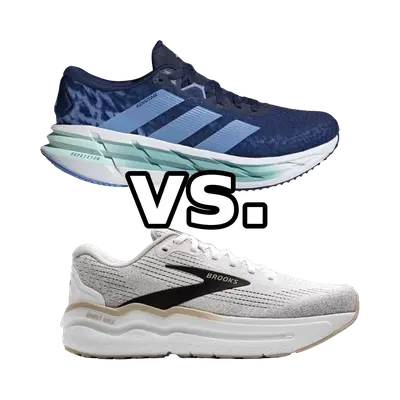
Adidas Adistar 4 vs Adidas Adistar BYD:
Which to Choose
Verdict
These are close cousins, not opposites: same weight, same stability, near-identical stack and drop, same half/marathon mission. The decision comes down to midsole character. If you just want maximum plush protection for easy mileage and don't value rebound, the Adistar 4 does that honestly. If you want the same supportive long-run platform but with PEBA bounce and a plate-shaped rolling transition that feels livelier underfoot, the Adistar BYD is the more capable super trainer — just don't expect either one to help you actually race.
Pace
3 of 6
Cushioning
5 of 6
Responsiveness
3 of 6
Stability
5 of 6
Drop
5 mm
Support
Stable Neutral
Plate
None
Distances
HalfMarathon
Pace
3 of 6
Cushioning
5 of 6
Responsiveness
5 of 6
Stability
5 of 6
Drop
7 mm
Support
Stable Neutral
Plate
Composite
Distances
HalfMarathon
At a Glance
Adidas Adistar 4Adidas Adistar BYD
Who Should Choose Each Shoe
Choose
Adidas Adistar 4
Choose the Adistar 4 if you are a recreational marathoner or half-marathon trainer who wants a plush, dependable daily workhorse and doesn't care about pop or energy return. It's ideal for the runner who logs steady easy and long miles in the roughly 5:30–6:30 min/km range, prioritizes deep underfoot protection and durability over liveliness, and would rather have a simple, composed ride than pay for midsole tech they won't exploit. If your other shoes already cover tempo and race day, this is the no-fuss protector for everything slow.
Choose
Adidas Adistar BYD
Choose the Adistar BYD if you want that same cushioned, stable long-run platform but with a more premium, rolling ride underfoot. The PEBA foam and carbon-infused perimeter plate make it the better pick for the high-mileage distance runner who wants one shoe to absorb the bulk of a marathon build and still feel mildly bouncy and smoothly guided at steady efforts. Neutral-to-mild-overpronators who cruise rather than sprint, and who appreciate a controlled, modern super-trainer feel on long steady days, will get more out of the BYD than out of the plainer 4.
Head-to-Head
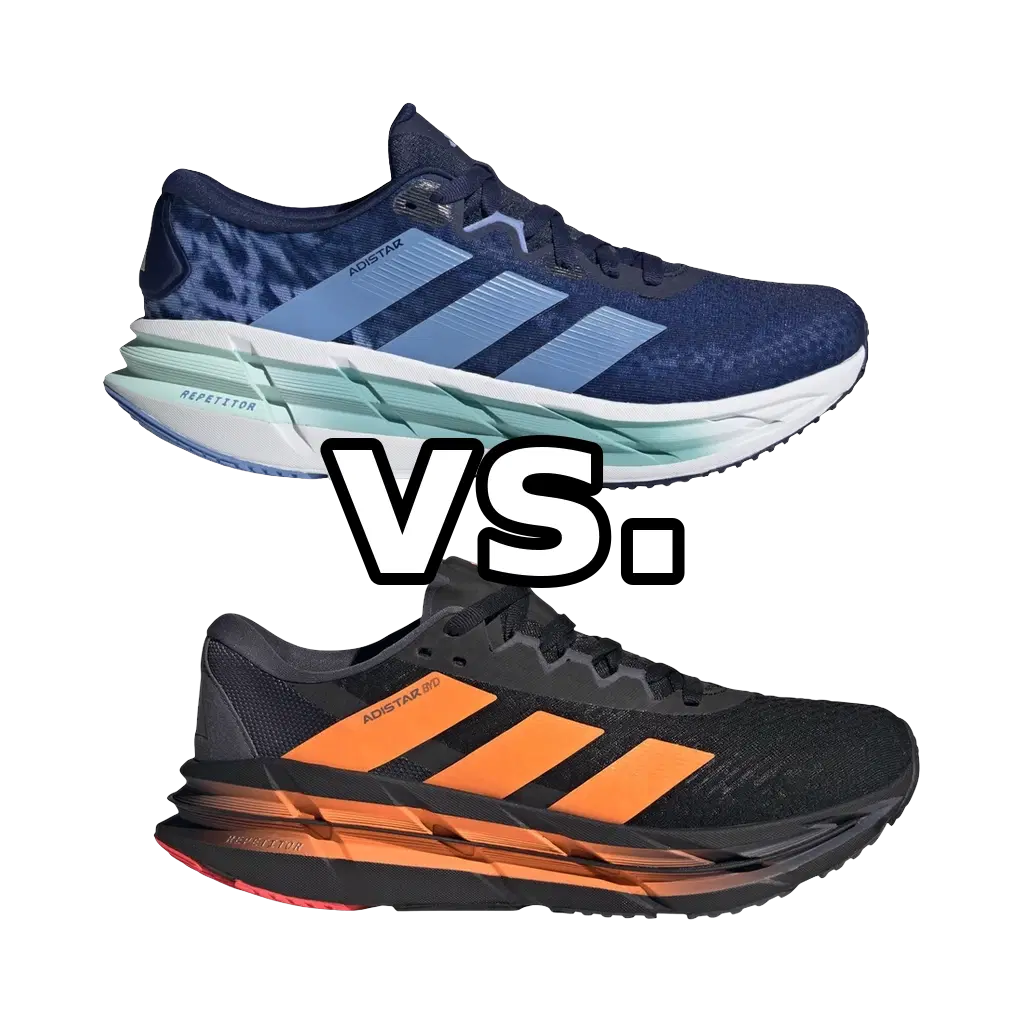
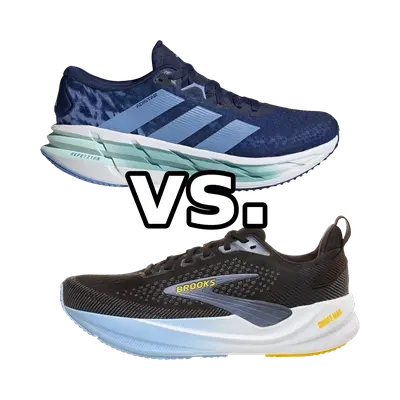
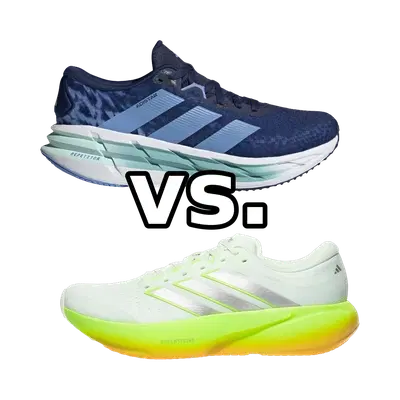
Start with how close they are. Both weigh essentially the same — 275g for the Adistar 4 and 278g for the BYD in a men's US9 — so neither has a weight advantage; both are frankly heavy for their class, which is why each feels planted and composed on easy miles but lumbers when you try to genuinely accelerate. Stack heights are near-identical too: the 4 measures roughly 40mm heel / 30mm forefoot against the BYD's 39mm / 32mm, so both give you a tall, protective platform, with the BYD carrying a touch more foam under the forefoot. Drop is a wash at 6mm versus 7mm. Stability is high on both, delivered the same way — a wide base and supportive sidewalls that keep all that foam from feeling tippy. Where they genuinely diverge is the midsole recipe and the ride that falls out of it. The Adistar 4 is EVA-based, pairing firmer Repetitor+ with softer Dreamstrike+ and running without a plate; the result is soft, composed, and honest about its medium rebound — it protects tired legs beautifully but gives nothing back when you push. The BYD swaps in PEBA-based Lightstrike Pro over a Repetitor 2.0 carrier and adds a carbon-infused "Distance Drive" perimeter plate, which is why it rates meaningfully higher on responsiveness: you get a mildly bouncy top layer and a smoother, more controlled rolling transition. Crucially, that plate shapes the roll rather than flinging you forward — it is not a propulsive racing plate — so the BYD is still a cruiser, just a livelier and more modern-feeling one than the straightforwardly cushioned 4.

© 2026 longrunshoes.ai | All rights reserved.
Use of materials from this site is permitted only with proper attribution and a link to longrunshoes.ai.