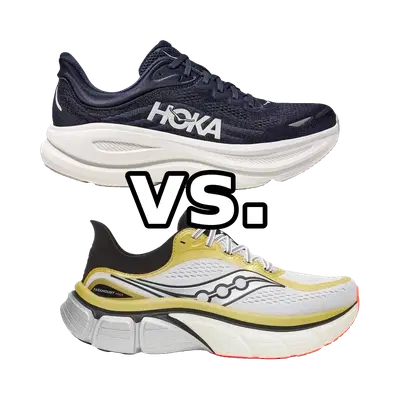
Saucony Paramount Max vs On Cloudmonster 3 Hyper:
Which to Choose
Verdict
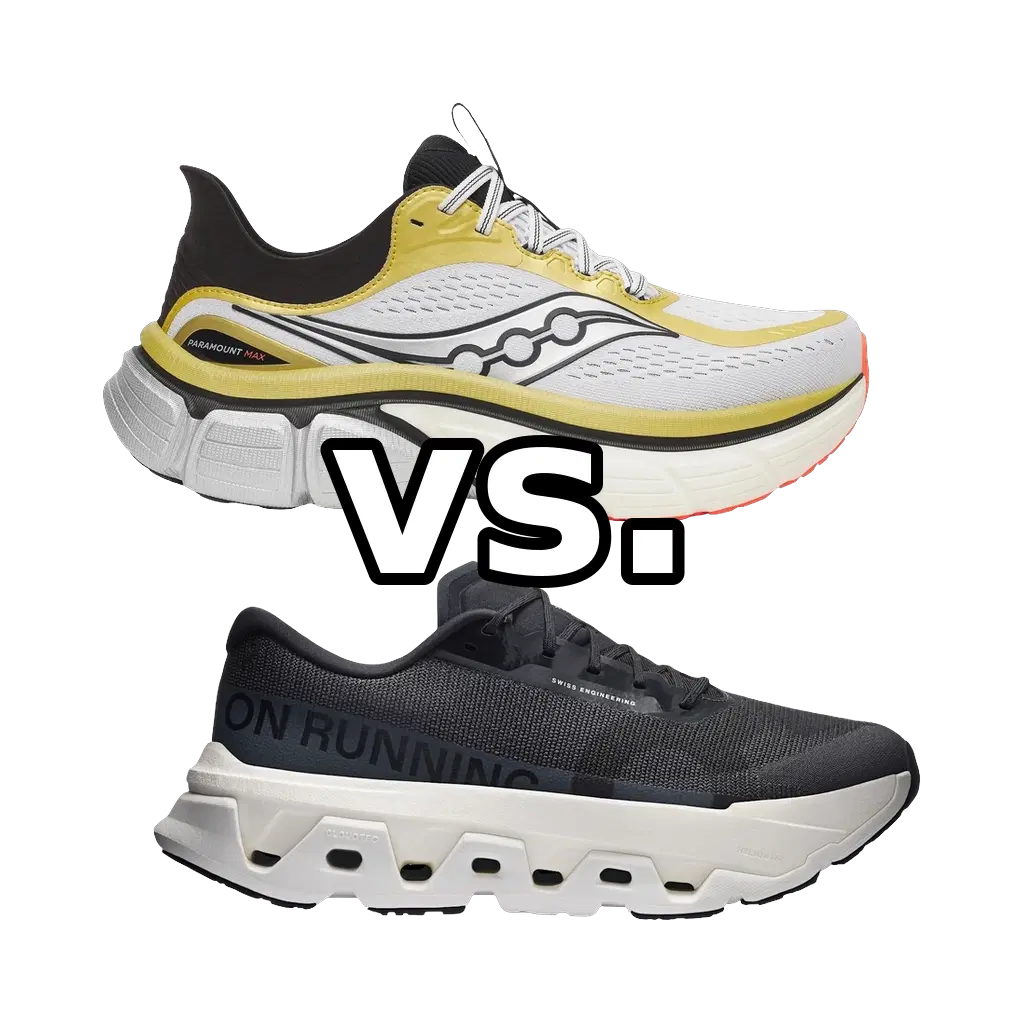
These are genuinely close shoes, and for pure easy and long-run duty either will serve you well — so let fit and feel decide. Go Paramount Max for the softer, bouncier, lower-drop ride with more forefoot cushion; go Cloudmonster 3 Hyper if you want the lighter, firmer, higher-drop option that handles a slightly broader and faster range, including 10K. Pick based on how plush versus how willing you want your daily miles to feel, not on which is newer.
Pace
3 of 6
Cushioning
6 of 6
Responsiveness
5 of 6
Stability
4 of 6
Drop
6 mm
Support
Neutral
Plate
None
Distances
HalfMarathon
Pace
3 of 6
Cushioning
6 of 6
Responsiveness
5 of 6
Stability
4 of 6
Drop
9 mm
Support
Neutral
Plate
None
Distances
10KHalfMarathon
At a Glance
Saucony Paramount MaxOn Cloudmonster 3 Hyper
Who Should Choose Each Shoe
Choose
Saucony Paramount Max
Choose the Paramount Max if you're a recreational marathoner who lives in easy days and long runs and wants the plushest, most forgiving ride of the two, with a lower 6 mm drop and more forefoot foam for a smooth, slightly rolling transition. It's the better pick for runners who prioritize deep comfort and a soft, bouncy feel over outright nimbleness, and who like a flatter platform that doesn't force a forefoot strike. If your week is almost entirely time-on-feet and you rarely surge, this is the one.
Choose
On Cloudmonster 3 Hyper
Choose the Cloudmonster 3 Hyper if you want a max-cushioned trainer that still feels a touch more athletic — it's lighter at 264 g, firmer and more protective underfoot, and comfortable stretching down to 10K efforts as well as the half and marathon. It suits neutral runners who want one shoe for everyday miles plus the occasional faster long effort and prefer a higher 9 mm drop with a snappier, less pillowy feel. If you value a shoe that cruises a little more eagerly when you find a rhythm, lean here.
Head-to-Head
On the metrics these two are near-twins: identical scores for cushioning (6/6), responsiveness (5/6), stability (4/6), and pace (3/6), both neutral with no medial posting, both running plateless, and both sitting on a 43 mm heel. The differences show up in the details. The Paramount Max runs a 6 mm drop on a 43/37 mm stack, while the Cloudmonster 3 Hyper has a taller 9 mm actual drop (On markets it as 6 mm) on a 43/34 mm stack — so the Saucony keeps more foam under the forefoot and sits flatter, whereas the On tips you forward a bit more toward the heel. Weight is the clearest split: the Cloudmonster comes in at 264 g (men's US 9) against roughly 286–302 g for the Paramount Max, making the On the lighter, slightly more willing shoe when you try to pick up the pace. Foam character differs too — the Paramount Max uses Saucony's TPEE-based incrediRUN, which reads plush and genuinely bouncy, while the Cloudmonster's PEBA-based Helion HF over CloudTec pods is lively but noticeably firmer and more protective than pillowy. That shows up in their ranges: both own the half and the marathon, but the lighter Cloudmonster also claims the 10K and carries a slightly quicker effective ceiling (around 4:45–5:15 min/km) versus the Paramount Max's ~5:00 min/km before its taller, softer platform starts holding it back. Both share the same 5:00–6:00 min/km daily-and-long-run sweet spot, so for easy volume they feel more alike than different.
Similar Comparisons
On Cloudmonster Hyper vs On Cloudmonster 3 Hyper
Saucony Hurricane 26 vs Saucony Paramount Max
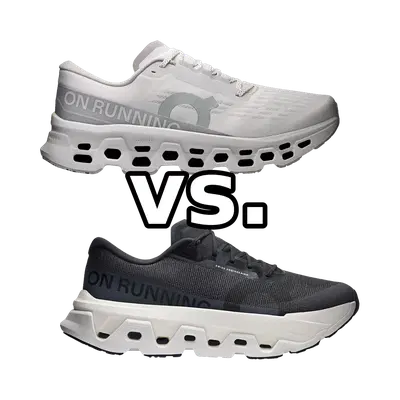
On Cloudmonster 3 vs On Cloudmonster 3 Hyper
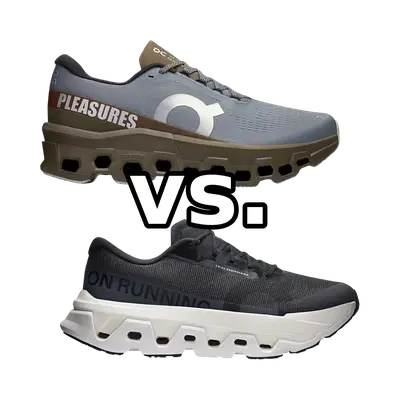
On Cloudmonster 2 Pleasures x The Loop vs On Cloudmonster 3 Hyper
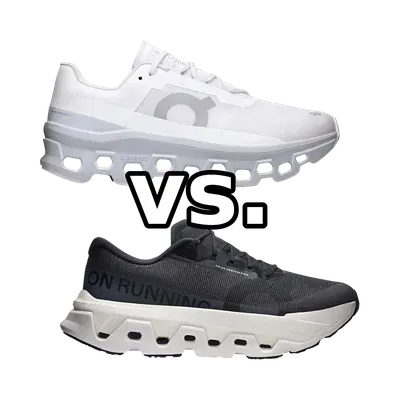
On Cloudmonster vs On Cloudmonster 3 Hyper
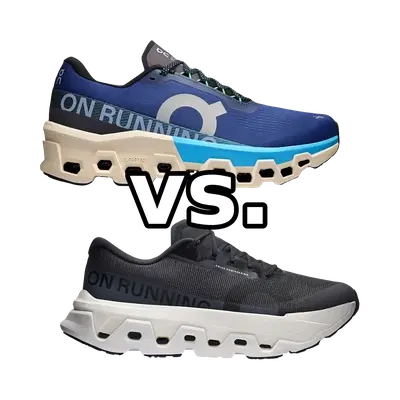
On Cloudmonster 2 vs On Cloudmonster 3 Hyper
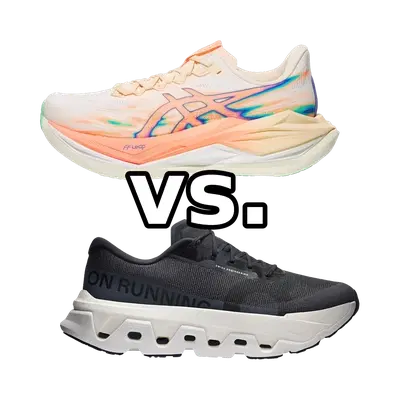
Asics Superblast 3 vs On Cloudmonster 3 Hyper
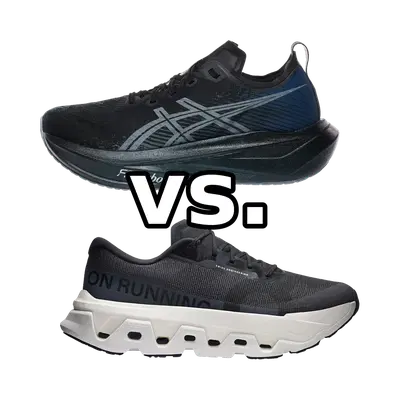
Asics Megablast vs On Cloudmonster 3 Hyper
© 2026 longrunshoes.ai | All rights reserved.
Use of materials from this site is permitted only with proper attribution and a link to longrunshoes.ai.