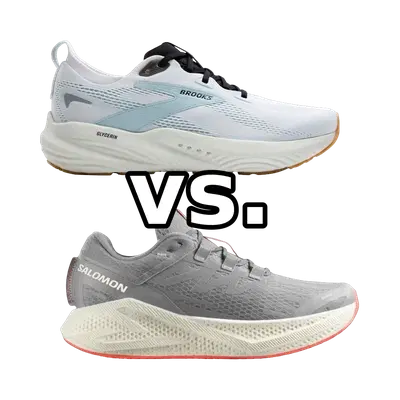
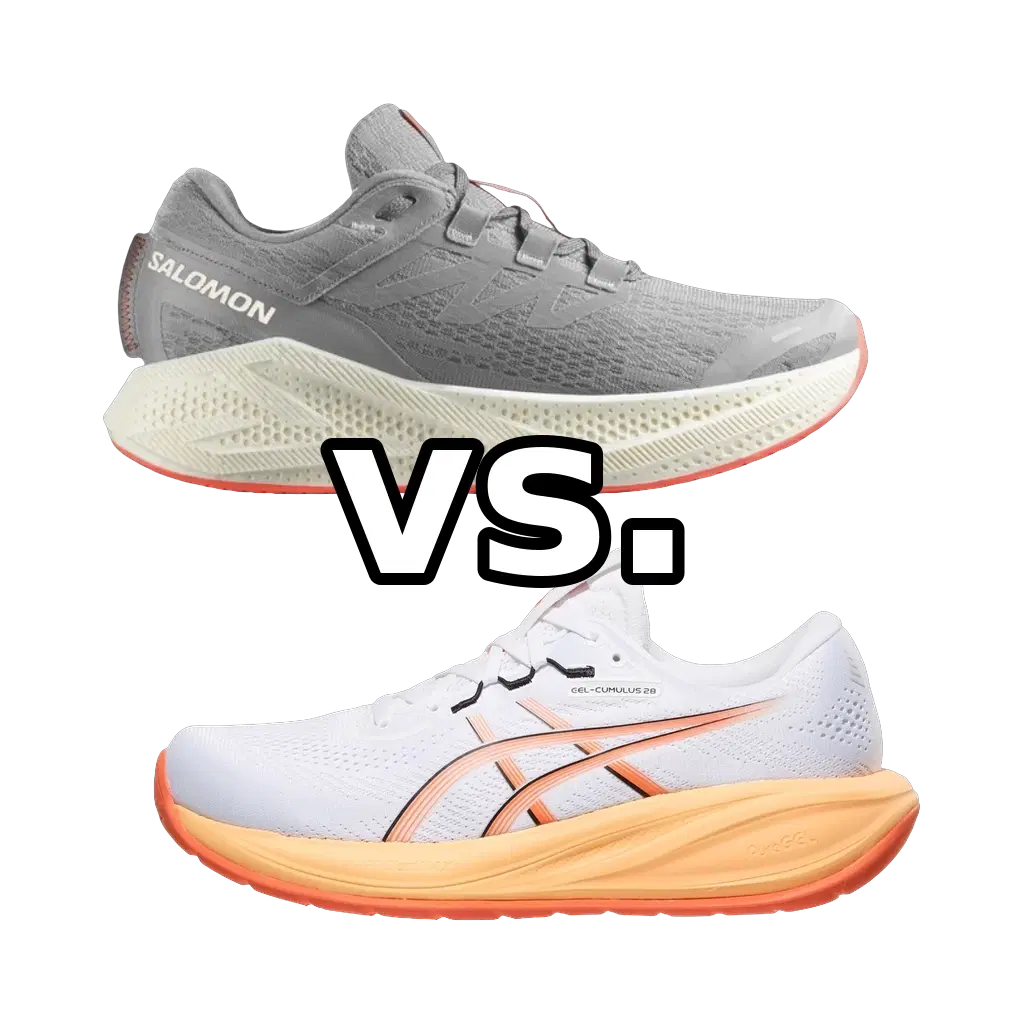
Salomon Aero Glide 3 vs Asics Gel-Cumulus 28:
Which to Choose
Verdict
These are genuinely close shoes aimed at the same runner, so it comes down to ride character and footstrike rather than quality. Go with the Aero Glide 3 if you value a lighter, more responsive feel and the ability to stretch into faster efforts; go with the Gel-Cumulus 28 if you're a heel striker who wants maximum cushioning and a taller, softer, more protective platform for easy and long days. If you can't test both, let your footstrike and pace goals decide — higher-drop plush comfort points to the Asics, lighter and livelier points to the Salomon.
Pace
3 of 6
Cushioning
5 of 6
Responsiveness
4 of 6
Stability
4 of 6
Drop
10 mm
Support
Neutral
Plate
None
Distances
10KHalfMarathon
Pace
3 of 6
Cushioning
5 of 6
Responsiveness
4 of 6
Stability
4 of 6
Drop
13 mm
Support
Neutral
Plate
None
Distances
10KHalfMarathon
At a Glance
Salomon Aero Glide 3Asics Gel-Cumulus 28
Who Should Choose Each Shoe
Choose
Salomon Aero Glide 3
Choose the Aero Glide 3 if you want one max-cushion trainer that can cover easy days and long runs but still has enough life to pick up the pace on a steady or progression run. At 248g it's the lighter, more responsive of the two, and its bouncier TPU foam and 10mm drop suit runners — beginners building volume or experienced runners after a comfortable long-run companion — who like a softer landing without the ride ever feeling sluggish or purely plush.
Choose
Asics Gel-Cumulus 28
Choose the Gel-Cumulus 28 if your priority is pure comfort and impact protection on easy and steady mileage, and especially if you're a heel striker. The tall 13mm drop and PureGEL heel make landings exceptionally gentle, and the softer FF Blast Max foam is built to smooth out long stretches of road and absorb pounding rather than return energy. It's the better pick for the runner who wants a plush, forgiving cruiser for the bulk of a weekly schedule and isn't bothered that it feels a little soft when the pace drops.
Head-to-Head
Start with the overlap, because it's substantial: both are tall neutral cushions with no medial post and no plate, both sit around a 42–43mm heel stack, and both are happiest at conversational-to-steady effort rather than tempo. The differences are in the details that actually matter day to day. The Aero Glide 3 is the lighter shoe at 248g versus the Cumulus 28's 275g, and its Energy Foam Evo (a supercritical TPU) carries a more energetic, bouncy character — it still rolls into a pleasant cruise when you reach for turnover, but it holds a faster gear more willingly than its weight-and-stack profile suggests. The Cumulus 28 goes the other direction: its FF Blast Max foam is tuned deliberately soft and absorbent, and the PureGEL heel insert makes landings genuinely gentle, so it smooths the road more than it springs you off it — push the pace and the foam starts to feel a touch vague. Drop is the other concrete split: the Cumulus runs a tall 13mm offset against the Aero Glide's 10mm, and that higher heel, paired with the gel insert, makes the Asics the more natural fit for committed heel strikers, while the slightly lower Salomon feels a hair more neutral through the gait. Forefoot stack is close (roughly 32mm Salomon, 30mm Asics), so both protect well on long days; the Asics simply does it with a plusher, more planted, cushion-first feel and the Salomon with a lighter, more responsive one.
Similar Comparisons
Asics Gel-Nimbus 28 vs Asics Gel-Cumulus 28
Salomon Aero Glide 3 vs Salomon Aero Glide 4
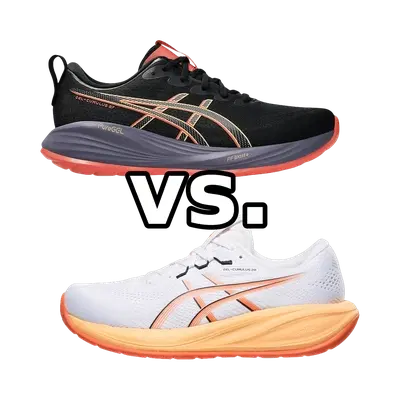
Asics Gel-Cumulus 27 vs Asics Gel-Cumulus 28
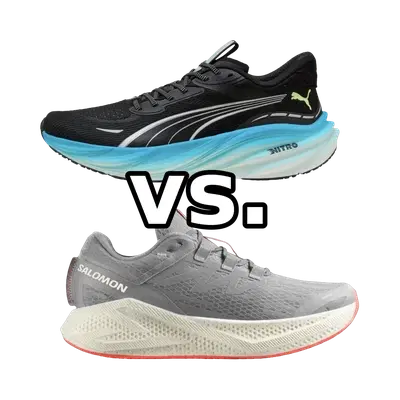
Puma Magnify Nitro 3 vs Salomon Aero Glide 3
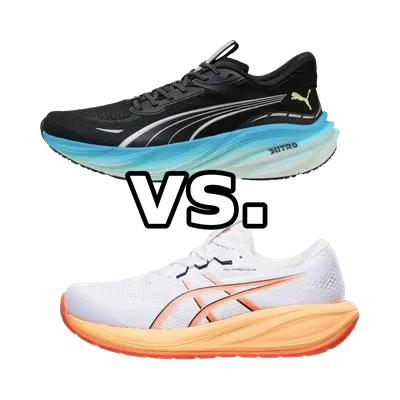
Puma Magnify Nitro 3 vs Asics Gel-Cumulus 28
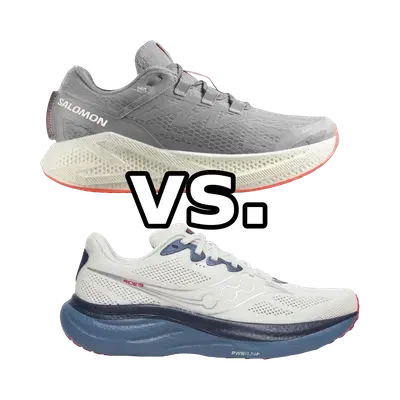
Salomon Aero Glide 3 vs Saucony Ride 19
Brooks Glycerin 22 vs Asics Gel-Cumulus 28
Saucony Triumph 23 vs Salomon Aero Glide 3
© 2026 longrunshoes.ai | All rights reserved.
Use of materials from this site is permitted only with proper attribution and a link to longrunshoes.ai.