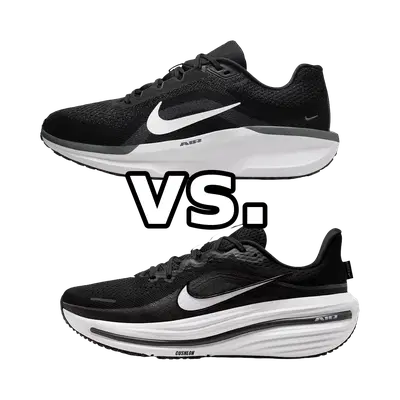
Nike Winflo 12 vs Brooks Glycerin 23:
Which to Choose
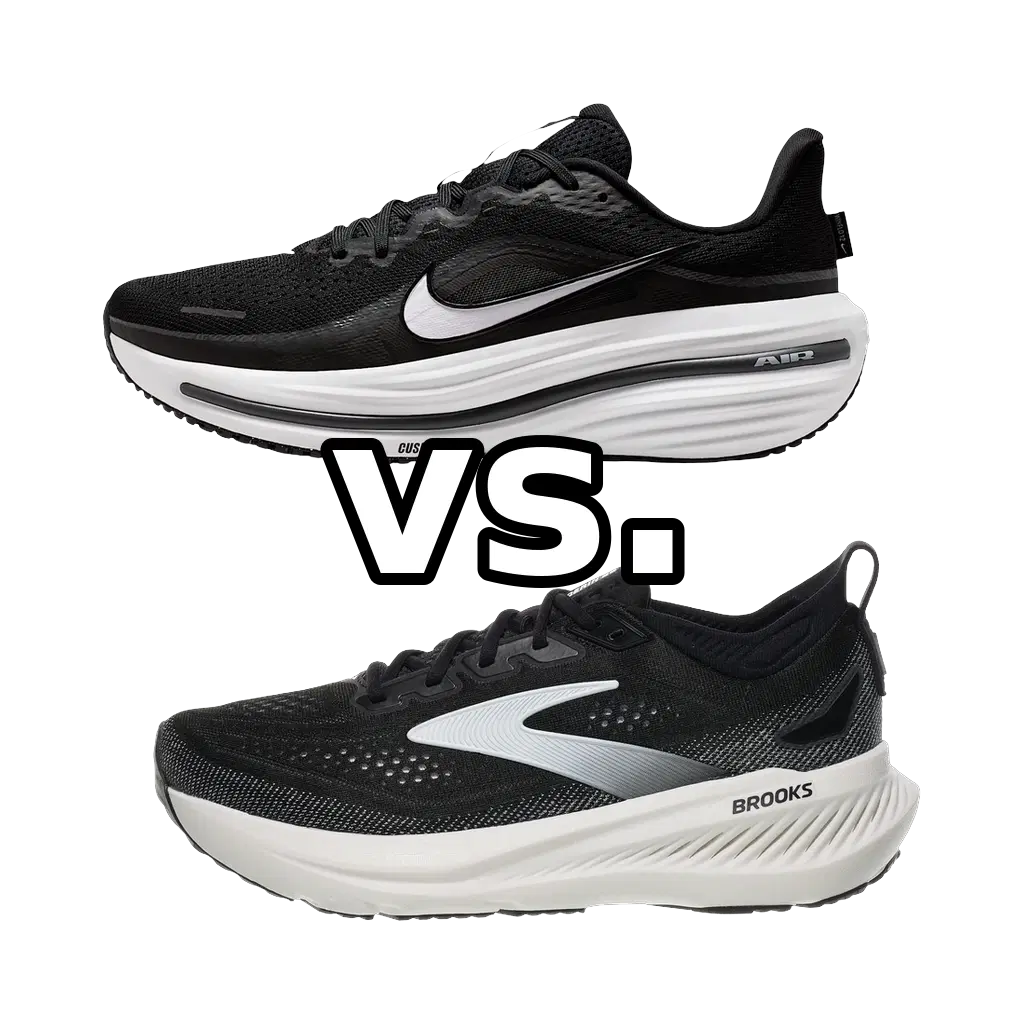
Verdict
These two are closer than their brands suggest — same weight class, same neutral high-cushion mission — so pick on feel and geometry, not on any single number. Go Winflo 12 if you heel strike and want a taller, firmer, higher-drop trainer that feels stable and planted; go Glycerin 23 if you want a softer, lower-drop, more cradling ride and the extra reach to run marathons. If you're unsure, the Glycerin is the more versatile all-rounder, while the Winflo is the better match for dedicated heel strikers who like a firmer, taller platform.
Pace
3 of 6
Cushioning
5 of 6
Responsiveness
3 of 6
Stability
4 of 6
Drop
11 mm
Support
Neutral
Plate
None
Distances
10KHalf
Pace
3 of 6
Cushioning
5 of 6
Responsiveness
3 of 6
Stability
4 of 6
Drop
8 mm
Support
Neutral
Plate
None
Distances
10KHalfMarathon
At a Glance
Nike Winflo 12Brooks Glycerin 23
Who Should Choose Each Shoe
Choose
Nike Winflo 12
Choose the Winflo 12 if you're a heel striker who wants a tall, stable, firmer ride that stays planted and never feels like it's swallowing your foot — the 11mm drop and Air-unit heel are tailor-made for that landing style and for easing strain on the calves. It's the better pick for beginner and recreational runners logging easy-to-steady 10K and half-marathon mileage who prioritize a secure, no-fuss daily trainer and prefer a touch of firmness over maximum plush.
Choose
Brooks Glycerin 23
Choose the Glycerin 23 if you want the softer, more luxurious ride and a lower 8mm drop that feels more natural through the forefoot, especially for recovery days and long, relaxed miles where soft landings matter most. It's the stronger option for higher-volume runners and anyone who wants one shoe that covers everything from a 10K up to a full marathon at conversational effort, wrapped in a plusher, more premium knit upper.
Head-to-Head
Start with how close they actually are: both weigh essentially the same (301g for the Winflo, 303g for the Glycerin in a men's US9), both are neutral with a broad, planted platform and no pronation posting, and both top out around a 5:00–5:15 min/km effort before the foam starts fighting you. So weight isn't the tiebreaker — neither is light. The real differences are underfoot feel and geometry. The Winflo runs a taller, higher-drop setup: a 41mm heel / 30mm forefoot stack with an 11mm offset, which rolls heel strikers forward and takes load off the calves, and its Cushlon 3.0 foam plus a heel Air unit gives a firmer, planted, gently bouncy landing that never turns mushy. The Glycerin sits lower and more level — roughly 37mm heel / 29mm forefoot at an 8mm drop — and its DNA Tuned nitrogen-infused foam is the plusher of the two, with large heel cells that genuinely swallow impact and a slightly firmer forefoot to keep you from bottoming out. In short: Winflo is tall, firm, and stable-feeling; Glycerin is softer, lower, and more cradling. The uppers reinforce the split — the Winflo's open-hole engineered mesh is airy and functional, while the Glycerin's triple-jacquard warp-knit is the more premium, wrapping hold. The last meaningful gap is range: both nail 10K and the half, but the Glycerin's softer, deeper cushioning extends comfortably to the full marathon at conversational effort, whereas the Winflo's sweet spot caps out at the half.
Similar Comparisons
Brooks Glycerin 22 vs Brooks Glycerin 23
Adidas Supernova Stride 2 vs Nike Winflo 12
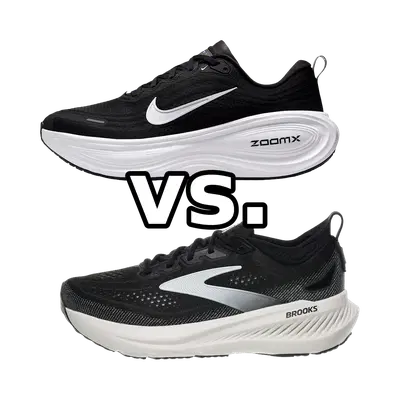
Nike Vomero Plus vs Brooks Glycerin 23
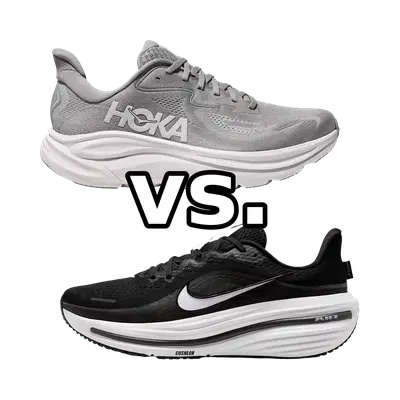
Hoka Clifton 10 vs Nike Winflo 12
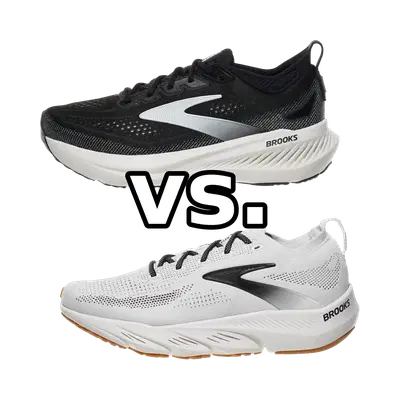
Brooks Glycerin 23 vs Brooks Glycerin Flex
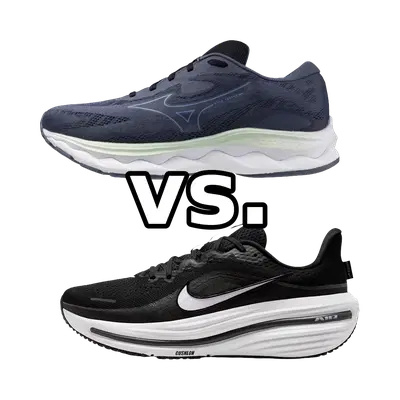
Mizuno Wave Serene vs Nike Winflo 12
Brooks Ghost 18 vs Brooks Glycerin 23
Nike Vomero 18 vs Nike Winflo 12
© 2026 longrunshoes.ai | All rights reserved.
Use of materials from this site is permitted only with proper attribution and a link to longrunshoes.ai.