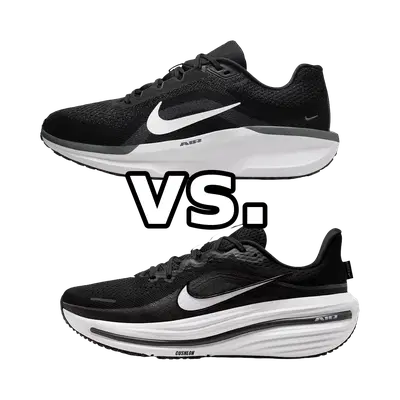
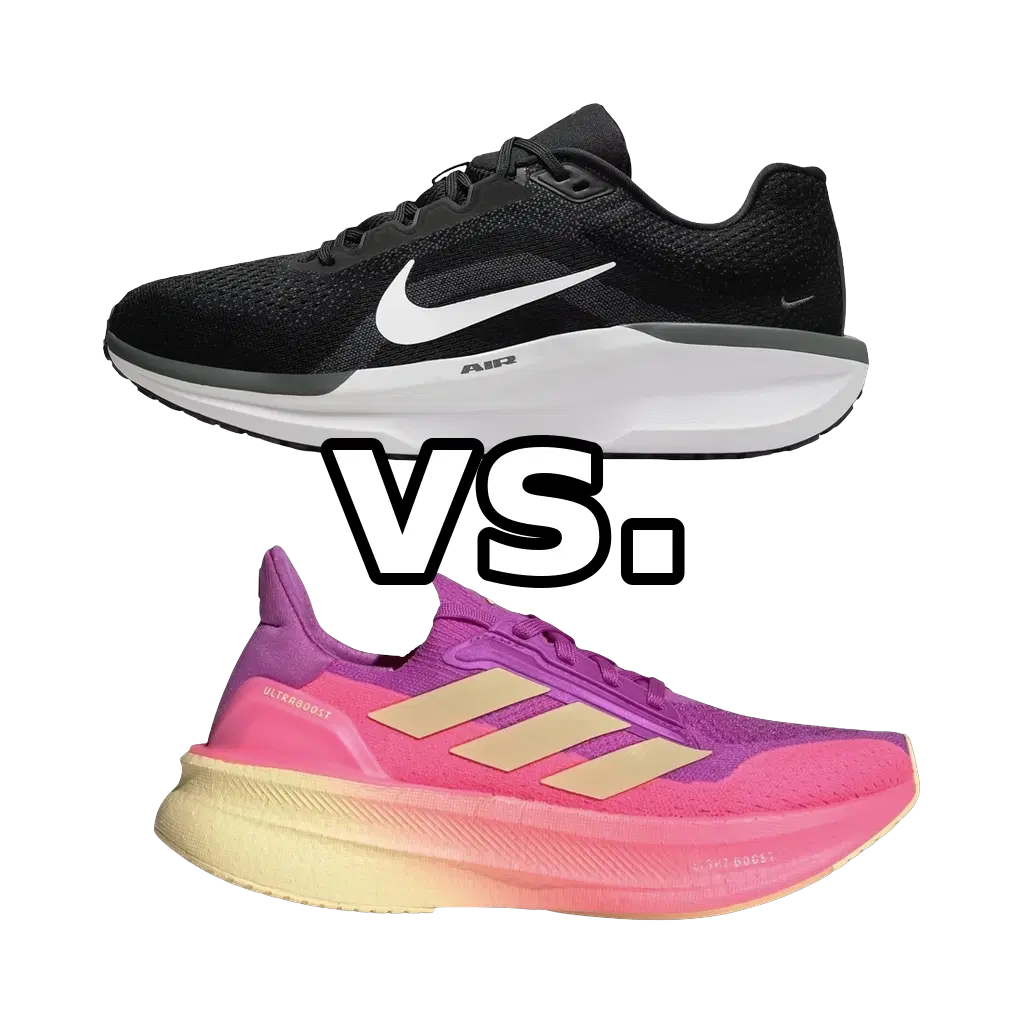
Nike Winflo 11 vs Adidas Ultraboost 5X:
Which to Choose
Verdict
These shoes do the same job at the same level, so it comes down to ride feel and fit, not capability. Pick the Ultraboost 5X for soft, springy comfort, a snug laceless knit, and long-run plushness with a hard-wearing outsole; pick the Winflo 11 for a firmer, cooler, more adjustable and more composed ride that suits developing runners and warm-weather training. If you can't test them, let foam preference decide: bouncy and soft means Adidas, firm and grounded means Nike.
Pace
3 of 6
Cushioning
3 of 6
Responsiveness
3 of 6
Stability
4 of 6
Drop
10 mm
Support
Neutral
Plate
None
Distances
10KHalf
Pace
3 of 6
Cushioning
4 of 6
Responsiveness
3 of 6
Stability
4 of 6
Drop
10 mm
Support
Neutral
Plate
None
Distances
10KHalf
At a Glance
Nike Winflo 11Adidas Ultraboost 5X
Who Should Choose Each Shoe
Choose
Nike Winflo 11
Choose the Winflo 11 if you want a firm, honest, grounded ride and a traditional laced fit you can adjust precisely — it's the better pick for a newer or budget-minded runner building toward a half, or anyone who dislikes squishy foam and wants stability and a cool, breathable upper for warm-weather miles. It also holds a controlled tempo slightly better, so if your training occasionally dips toward moderate pickups rather than staying purely easy, it's the more composed option.
Choose
Adidas Ultraboost 5X
Choose the Ultraboost 5X if your priority is plush, bouncy comfort on easy and long steady runs and you love a secure, slip-on knit feel over lacing up. It gives more cushioning underfoot, a taller stack, and a notably durable Continental outsole, making it the stronger everyday-comfort and long-haul-mileage trainer — just accept that it runs warm and feels dense if you try to pick up the pace.
Head-to-Head
On paper these two are nearly twins — identical 3/6 pace and responsiveness, matching 4/6 stability, the same neutral support and plateless build, and a shared 10mm drop — so the decision lives almost entirely in the midsole. The Winflo 11 runs firm and grounded on Cushlon 3.0 foam over roughly a 32mm heel, with a forefoot Zoom Air unit that adds a modest touch of pop as you roll onto your toes; it's predictable and composed but a little flat and dated-feeling on very long efforts. The Ultraboost 5X goes the opposite direction: its TPU-bead Boost foam sits on a taller 38mm heel / 28mm forefoot stack and delivers a soft, springy, immediately noticeable bounce, which is why it earns the higher 4/6 cushioning score against the Winflo's 3/6. Weight is closer than their reputations suggest — the Winflo lands around 298g and the Ultraboost around 272g in a men's sample — so the Adidas is actually the slightly lighter shoe, though its dense foam can still feel sluggish when you push the pace, and its effective top end (around 5:30 min/km) is a hair slower than the Winflo's (roughly 5:15–5:45). The uppers separate them further: the Winflo uses a conventional laced, breathable engineered mesh that's easy to dial in and stays cool, while the Ultraboost's laceless Primeknit sock gives a secure slip-on hug but runs warm on hot days. The Continental rubber outsole on the Ultraboost is a genuine durability and grip advantage over the Winflo's standard rubber.
Similar Comparisons
Saucony Ride 18 vs Adidas Ultraboost 5X
Nike Winflo 11 vs Brooks Revel 8
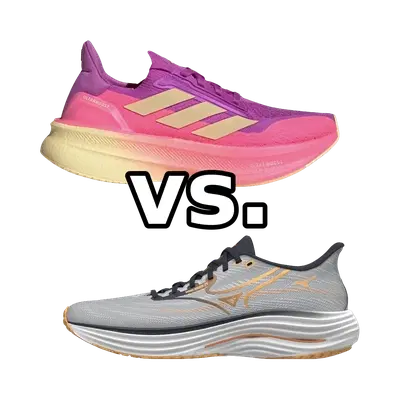
Adidas Ultraboost 5X vs Mizuno Wave Rider 29
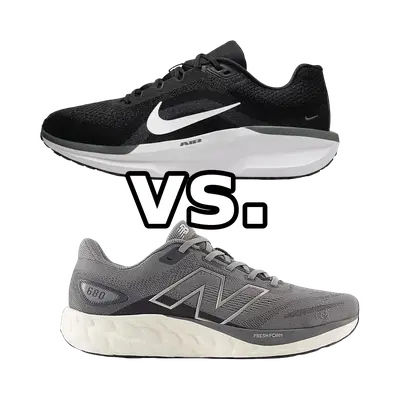
Nike Winflo 11 vs New Balance Fresh Foam 680v8
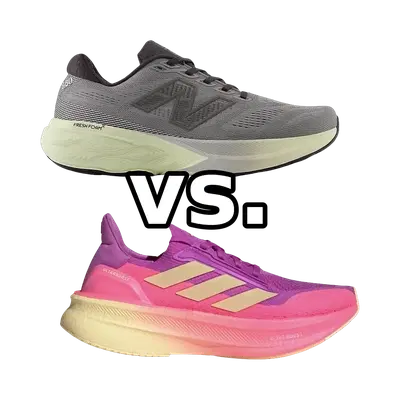
New Balance Fresh Foam X 880v15 vs Adidas Ultraboost 5X
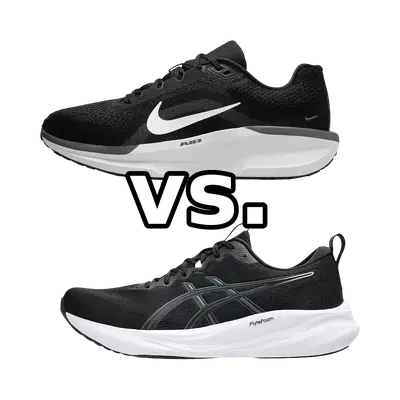
Nike Winflo 11 vs Asics Gel-Pulse 16
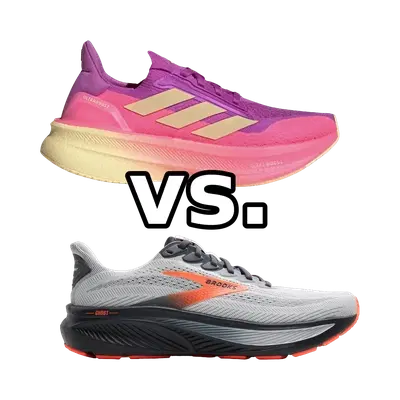
Adidas Ultraboost 5X vs Brooks Ghost 17
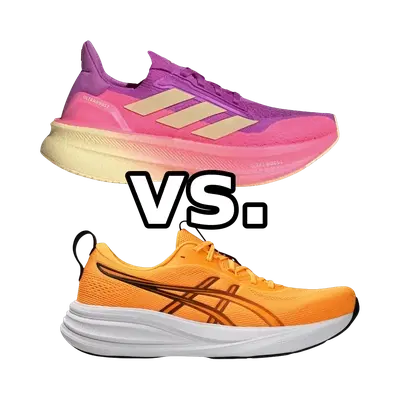
Adidas Ultraboost 5X vs Asics Gel-Pulse 17
© 2026 longrunshoes.ai | All rights reserved.
Use of materials from this site is permitted only with proper attribution and a link to longrunshoes.ai.