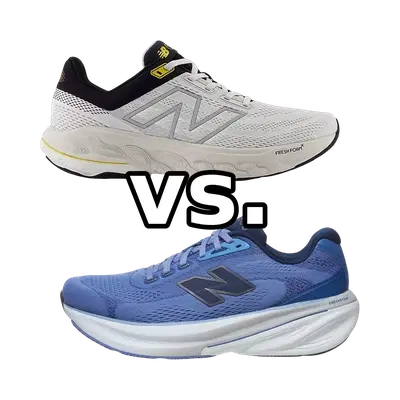
New Balance Fresh Foam X 860v15 vs On Cloudmonster 3:
Which to Choose
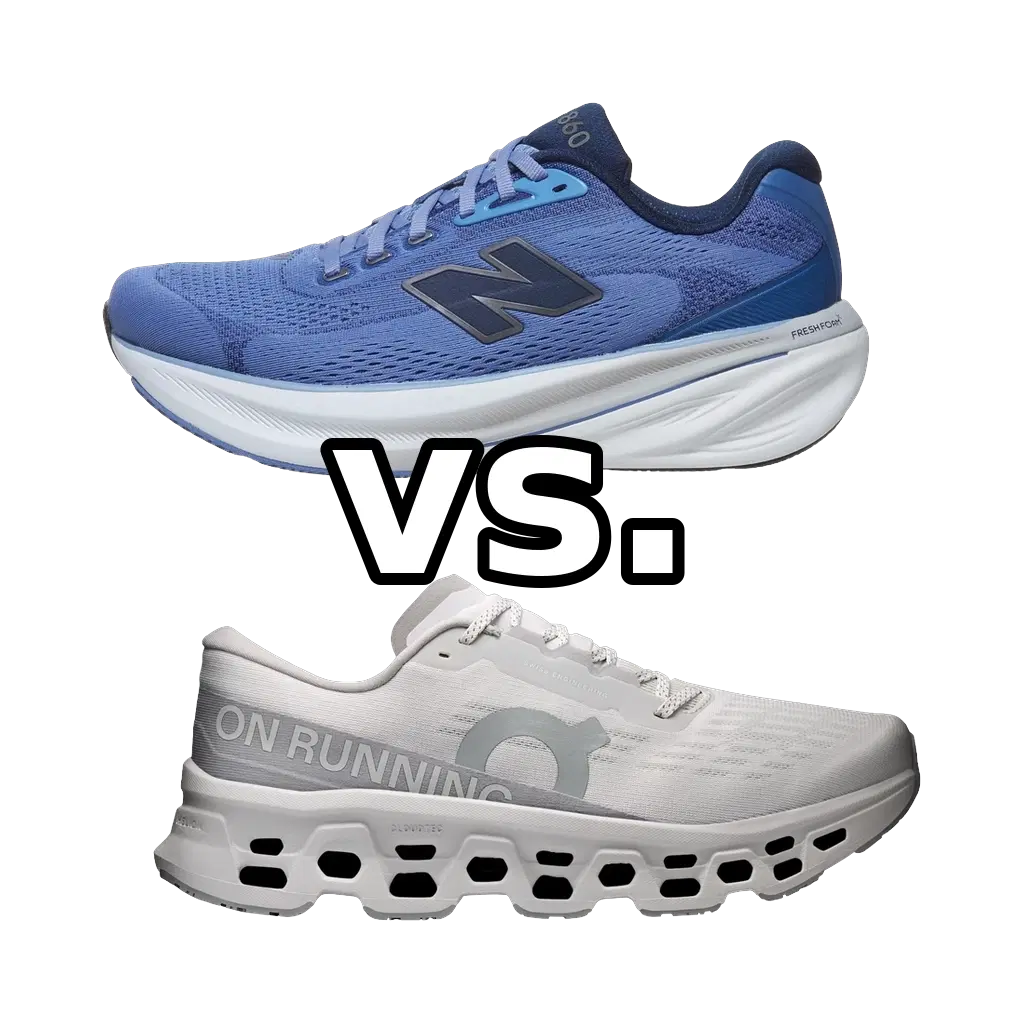
Verdict
These are closely matched cushioned mileage trainers, so the choice hinges on two things, not price. Pick the 860v15 if you want a softer ride with genuine stability correction; pick the Cloudmonster 3 if you want a firmer, lighter, planted platform and your feet don't need a medial post. If you're neutral and prefer firm underfoot, the On is the easy call; if you overpronate or simply love plush foam, the New Balance wins.
Pace
3 of 6
Cushioning
5 of 6
Responsiveness
3 of 6
Stability
5 of 6
Drop
8 mm
Support
Stability
Plate
Composite
Distances
10KHalfMarathon
Pace
3 of 6
Cushioning
5 of 6
Responsiveness
3 of 6
Stability
5 of 6
Drop
7 mm
Support
Stable Neutral
Plate
Composite
Distances
10KHalfMarathon
At a Glance
New Balance Fresh Foam X 860v15On Cloudmonster 3
Who Should Choose Each Shoe
Choose
New Balance Fresh Foam X 860v15
Choose the 860v15 if you want actual pronation guidance baked in — mild-to-moderate overpronators, or anyone who likes the reassurance of a medial wedge quietly keeping the foot on line. It's also the pick for runners who equate "long-run shoe" with soft and pillowy: if you want the most plush, cushion-forward protection for marathon buildup miles and don't mind carrying a bit more shoe, this is the softer, more guided ride of the two.
Choose
On Cloudmonster 3
Choose the Cloudmonster 3 if you're a neutral to only mildly pronating runner who prefers a firm, planted platform over a soft one — a shoe that stays composed and predictable mile after mile rather than sinking underfoot. It's the lighter option and wakes up better at a rolling steady clip, so it suits runners who log long efforts at a committed pace and find overly soft foam vague or sluggish.
Head-to-Head
Start with ride feel, because that is where these two genuinely part ways. The 860v15 uses soft, single-density Fresh Foam X that feels plush and pillowy — it absorbs far more than it returns, giving a calm, protective ride that can go slightly floaty when you slow right down. The Cloudmonster 3 takes the opposite approach: its Helion foam is firm and planted, sitting you on a big, composed platform with mechanical, predictable transitions and little give at a crawl. Neither is bouncy — both plates (New Balance's medially-wedged plastic Stability Plane, On's TPU Speedboard) add structure, not pop — so if you want energy return for tempo work, neither is the answer; but soft-and-cushioned versus firm-and-stable is a real fork, and it should drive the choice. Support is the other divider: the 860v15 is a true stability shoe, with that full-length medial Stability Plane gently correcting mild-to-moderate overpronation, whereas the Cloudmonster 3 is stable-neutral — it gets its steadiness from a wide, planted base with no medial post, which suits neutral to only mildly pronating feet. The numbers are close enough to be nearly a wash: stack is 40mm/32mm on the 860v15 versus 39mm/32mm on the Cloudmonster 3, and drop is 8mm versus 7mm. Weight is the clearest spec gap — the 860v15 comes in at about 332g in a men's US 9 against 301g for the Cloudmonster 3, so the On is the lighter, less lumbering of the two, while the New Balance's denser midfoot-and-heel upper also runs warmer on hot days. Both peak on relaxed long and steady efforts and fade when you push the pace, with their sweet spots landing within a hair of each other.
Similar Comparisons
On Cloudmonster 2 vs On Cloudmonster 3
New Balance Fresh Foam X 860v15 vs Mizuno Wave Inspire 22
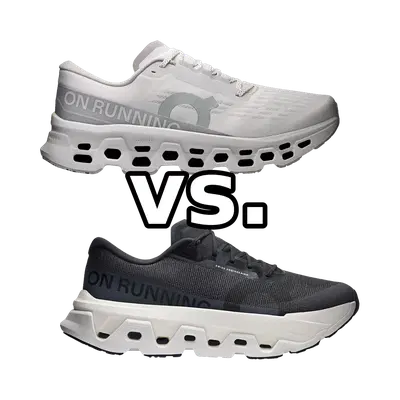
On Cloudmonster 3 vs On Cloudmonster 3 Hyper
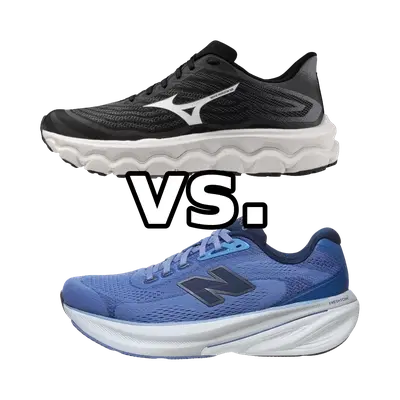
Mizuno Wave Horizon 8 vs New Balance Fresh Foam X 860v15
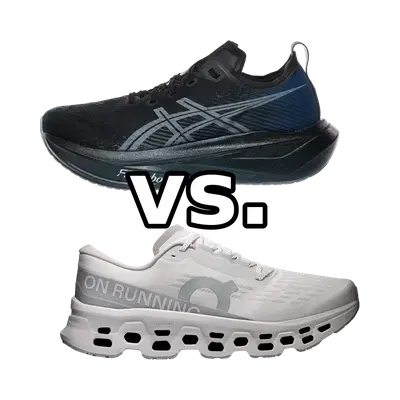
Asics Megablast vs On Cloudmonster 3
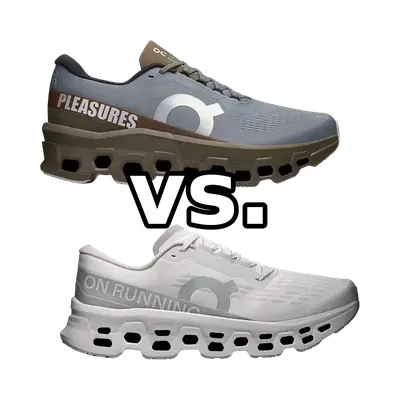
On Cloudmonster 2 Pleasures x The Loop vs On Cloudmonster 3
On Cloudmonster vs On Cloudmonster 3
On Cloudmonster Hyper vs On Cloudmonster 3
© 2026 longrunshoes.ai | All rights reserved.
Use of materials from this site is permitted only with proper attribution and a link to longrunshoes.ai.