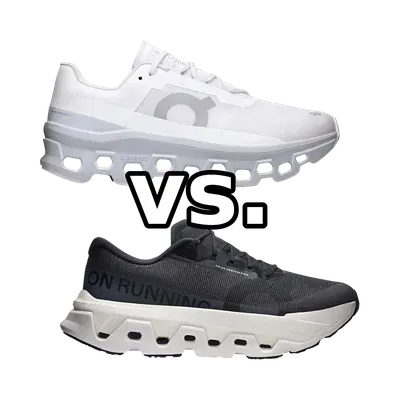
On Cloudmonster vs On Cloudmonster 3:
Which to Choose
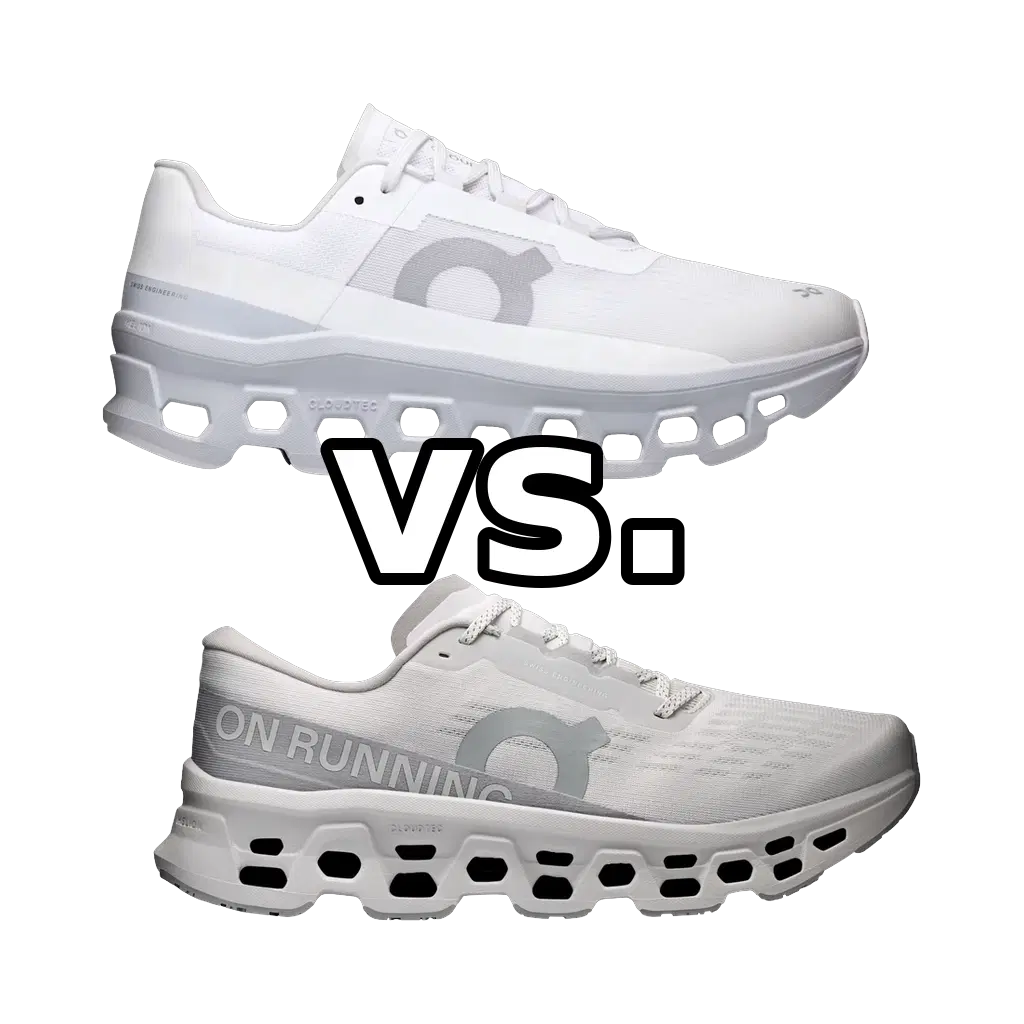
Verdict
It genuinely depends on how you run rather than on which is newer. If you want the more versatile, energetic ride that can roll along steady and still respond when you push, go with the original Cloudmonster; if you want the more stable, protective, long-run-focused cruiser and don't mind the extra weight and firmer feel, the Cloudmonster 3 is the better fit. Counterintuitively, the "upgrade" is the calmer, more supportive shoe — so match the shoe to whether you prize liveliness or stability.
Pace
3 of 6
Cushioning
4 of 6
Responsiveness
4 of 6
Stability
3 of 6
Drop
6 mm
Support
Neutral
Plate
Composite
Distances
10KHalfMarathon
Pace
3 of 6
Cushioning
5 of 6
Responsiveness
3 of 6
Stability
5 of 6
Drop
7 mm
Support
Stable Neutral
Plate
Composite
Distances
10KHalfMarathon
At a Glance
On CloudmonsterOn Cloudmonster 3
Who Should Choose Each Shoe
Choose
On Cloudmonster
Choose the original Cloudmonster if you want a cushioned trainer that still comes alive when you commit to the rocker — a neutral runner who does steady miles but likes the option of pushing a half-marathon or marathon at a purposeful clip. Its slightly lighter weight and springier, more responsive feel make it the better pick if you find firm, dead-feeling foams uninspiring and want some genuine roll and pop underfoot.
Choose
On Cloudmonster 3
Choose the Cloudmonster 3 if your priority is maximum protection and a stable, predictable platform for easy days and long steady efforts, especially if you have neutral-to-mildly-pronating feet and value a planted ride over springiness. Its taller stack, firmer composed foam, and wider stable-neutral base make it the more forgiving mile-eater — just don't expect it to reward tempo surges, since the firm foam and modest rebound stop giving back once you accelerate.
Head-to-Head
Despite the shared DNA, these two prioritize different things. The original Cloudmonster is the livelier of the pair: its Helion foam and composite Speedboard give a slightly firm-but-springy, rocker-driven ride that rewards a purposeful midfoot roll and keeps some pop when you pick up the pace, holding its effective zone down to around 4:45 min/km. The Cloudmonster 3 trades that spring for stability and protection — a very firm Helion platform on a taller 39mm/32mm stack that feels planted and composed mile after mile, but gives back less when you try to accelerate, with its useful range topping out closer to 5:15–5:30 min/km. That shows in the ratings: the original scores higher on responsiveness (4/6 vs. 3/6) while the 3 scores higher on cushioning (5/6 vs. 4/6) and stability (5/6 vs. 3/6). The 3 is both taller and heavier (about 301g in a men's US 9 versus roughly 280g for the original, on a lower ~34.9mm/28.1mm stack), and its wider, stable-neutral geometry quietly supports mildly pronating feet without a medial post — where the original is a straightforward neutral shoe. Drop is close: 6mm on the original, 7mm on the 3, both moderate ramps. So the real divide is character, not pedigree: the newer shoe is the more protective, more stable long-run cruiser, while the original is the more energetic, pace-friendly roller.
Similar Comparisons
On Cloudmonster 2 vs On Cloudmonster 3
On Cloudmonster vs On Cloudsurfer 3
On Cloudmonster 3 vs On Cloudmonster 3 Hyper
Asics Megablast vs On Cloudmonster 3
On Cloudmonster 2 Pleasures x The Loop vs On Cloudmonster 3
On Cloudmonster Hyper vs On Cloudmonster 3
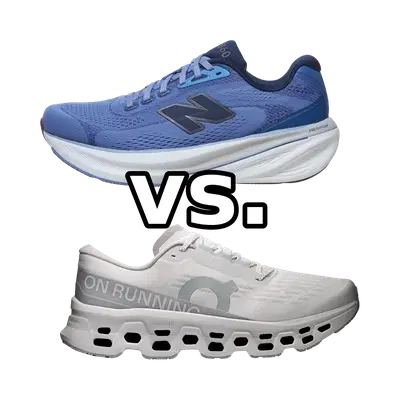
New Balance Fresh Foam X 860v15 vs On Cloudmonster 3
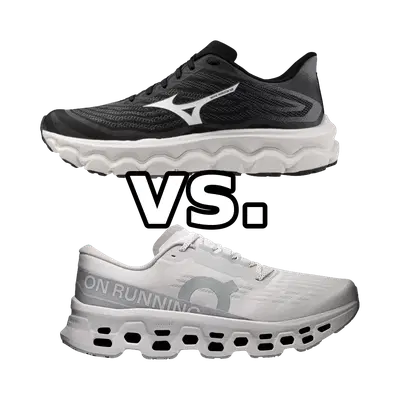
Mizuno Wave Horizon 8 vs On Cloudmonster 3
© 2026 longrunshoes.ai | All rights reserved.
Use of materials from this site is permitted only with proper attribution and a link to longrunshoes.ai.