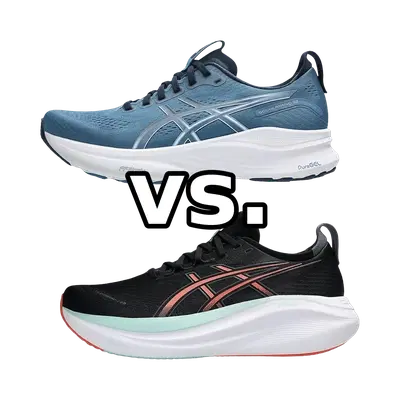
Asics Gel-Kayano 32 vs Brooks Beast GTS 26:
Which to Choose
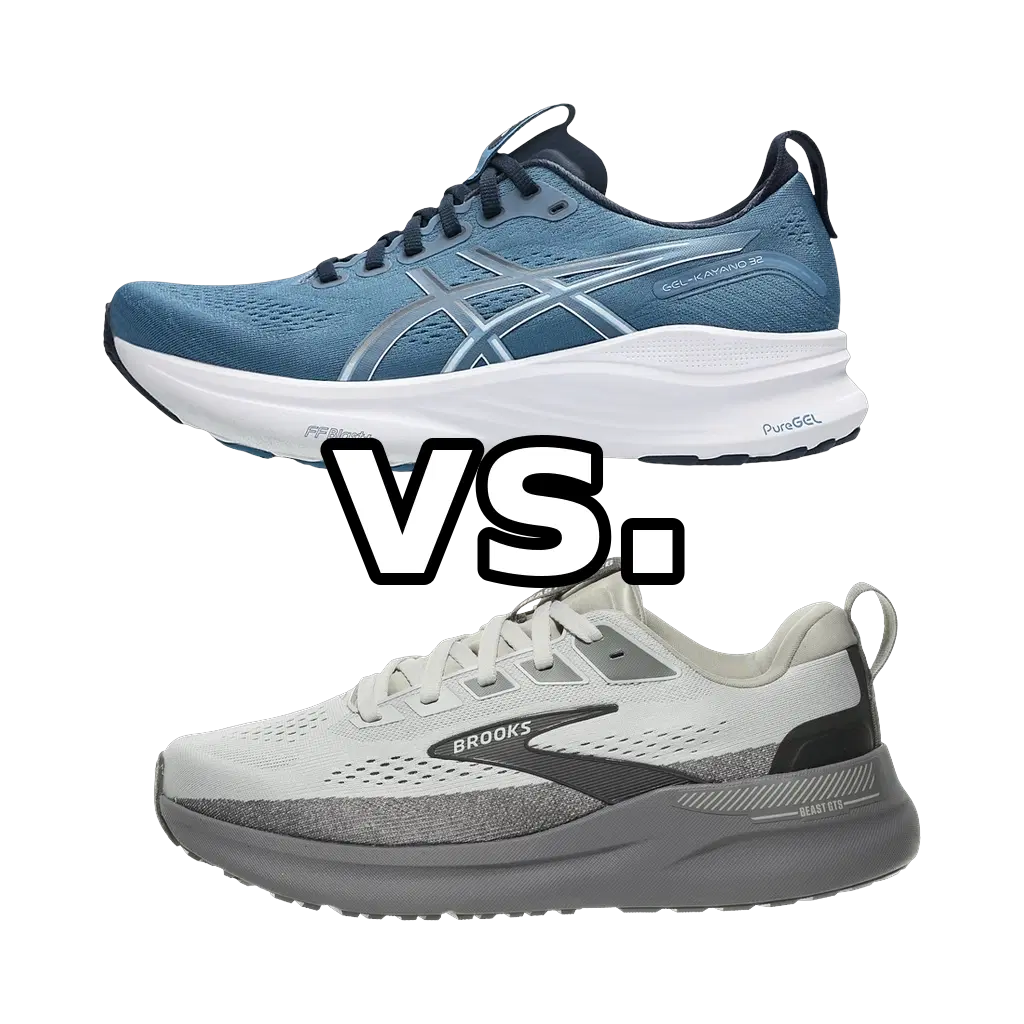
Verdict
It genuinely depends — but on your foot and your goals, not on which shoe is "better." If you need maximum motion control and absolute stability above all, the Beast GTS 26 is the stronger, more structured platform. For nearly everyone else who wants stability — moderate overpronators, higher-mileage runners, and anyone who occasionally wants to pick up the pace — the lighter, more versatile Gel-Kayano 32 is the easier shoe to live with and the better default pick.
Pace
3 of 6
Cushioning
5 of 6
Responsiveness
4 of 6
Stability
6 of 6
Drop
8 mm
Support
Stability
Plate
None
Distances
10KHalfMarathon
Pace
3 of 6
Cushioning
5 of 6
Responsiveness
4 of 6
Stability
6 of 6
Drop
10 mm
Support
Motion Control
Plate
None
Distances
HalfMarathon
At a Glance
Asics Gel-Kayano 32Brooks Beast GTS 26
Who Should Choose Each Shoe
Choose
Asics Gel-Kayano 32
Choose the Gel-Kayano 32 if you overpronate mildly to moderately and want a stable daily trainer that still has some range — one that handles 10K, half, and marathon distances and won't feel like dead weight if you occasionally lift the pace. It's the better pick for runners who want guided support without full motion control, who prefer a slightly lower 8mm drop and a taller, more cushioned forefoot, and who value a lighter shoe for high weekly mileage. Beginners building their first consistent base and marathoners who want protection without over-structuring their stride will get along well with it.
Choose
Brooks Beast GTS 26
Choose the Beast GTS 26 if you're a severe overpronator or have flat feet and need the most aggressive correction you can get, or if you're a high-mileage support runner or walker who prioritizes locked-down security over everything else. Its GuideRails and sidewalled base keep a tiring ankle from rolling inward on long, steady efforts, and the ~10mm drop suits heel strikers who want pressure eased off the calves and Achilles. Accept that it's a heavy, deliberate ride best kept to easy and long runs through the half and full marathon — this is a daily workhorse, not a shoe you'll ever want to run fast in.
Head-to-Head
Start with the biggest practical difference: weight. The Kayano 32 comes in around 298g in a men's US 9, while the Beast GTS 26 is about 354g — a roughly 56g gap that you feel on every stride, and it's why the Kayano will nudge up to a quicker cruise (its fastest effective zone sits near 5:00 min/km) while the Beast starts to drag if you push past about 5:15–5:30 min/km. The support type also differs in character: both rate maximum stability, but the Kayano uses Asics' 4D Guidance System for a guided, correct-as-needed feel aimed at mild-to-moderate overpronation, whereas the Beast leans on GuideRails and a wide, sidewalled platform for genuine motion control — the more aggressive, locked-down correction you'd want for severe overpronation or flat feet. Underfoot, the Kayano's FF Blast Plus Eco foam is plush and protective, and it's actually the taller shoe at 40mm heel / 32mm forefoot; the Beast's nitrogen-infused DNA LOFT v3 is soft and pillowy without collapsing but sits slightly lower at 38mm / 28mm. Geometry differs too — the Kayano runs an 8mm drop versus the Beast's ~10mm (Brooks lists 12mm) heel bias, which eases Achilles and calf load but reinforces the Beast's heel-strike orientation. Neither shoe is springy or eager; both trade pop for comfort and security, and both are warm, substantial trainers. The honest summary is that these are two takes on the same mission: the Kayano is the lighter, slightly more versatile and faster-friendly stability trainer, and the Beast is the heavier, more deliberate, more heavily corrected fortress.
Similar Comparisons
Brooks Beast GTS 24 vs Brooks Beast GTS 26
Asics Gel-Kayano 32 vs Nike Vomero Plus
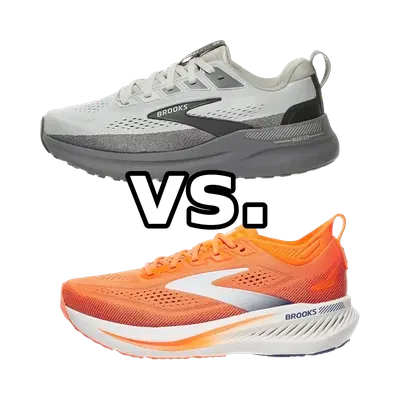
Brooks Beast GTS 26 vs Brooks Glycerin GTS 23
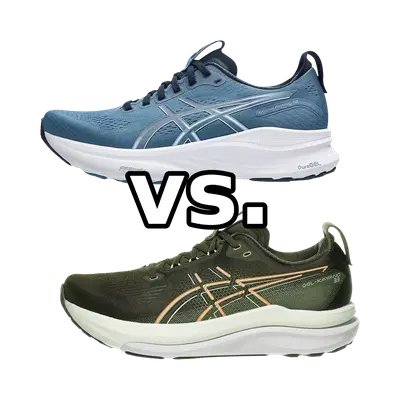
Asics Gel-Kayano 32 vs Asics Gel-Kayano 33
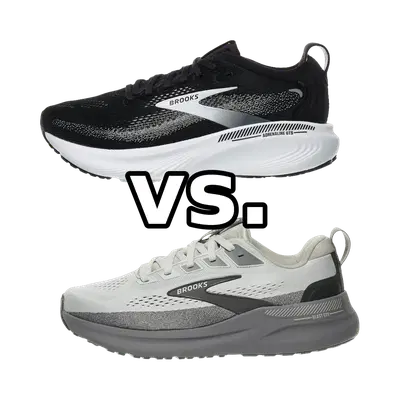
Brooks Adrenaline GTS 25 vs Brooks Beast GTS 26
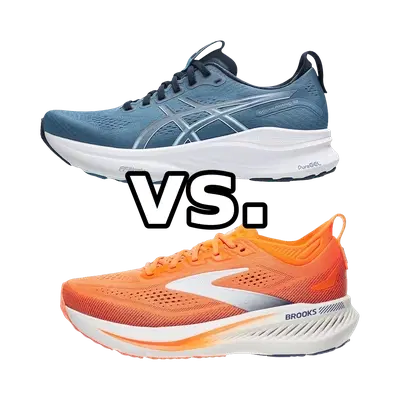
Asics Gel-Kayano 32 vs Brooks Glycerin GTS 23
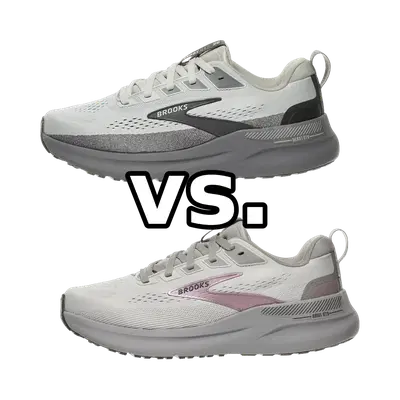
Brooks Beast GTS 26 vs Brooks Ariel GTS 26
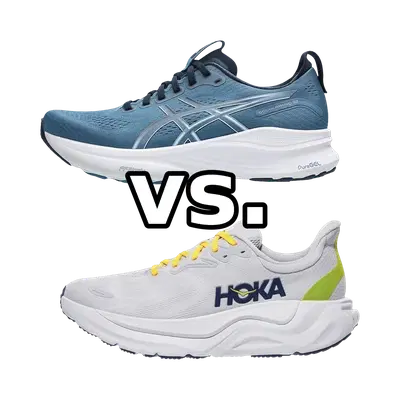
Asics Gel-Kayano 32 vs Hoka Arahi 8
© 2026 longrunshoes.ai | All rights reserved.
Use of materials from this site is permitted only with proper attribution and a link to longrunshoes.ai.