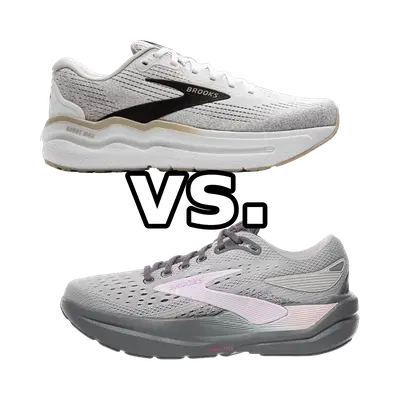
Saucony Procyon Max vs Brooks Ghost Max 3:
Which to Choose
Verdict
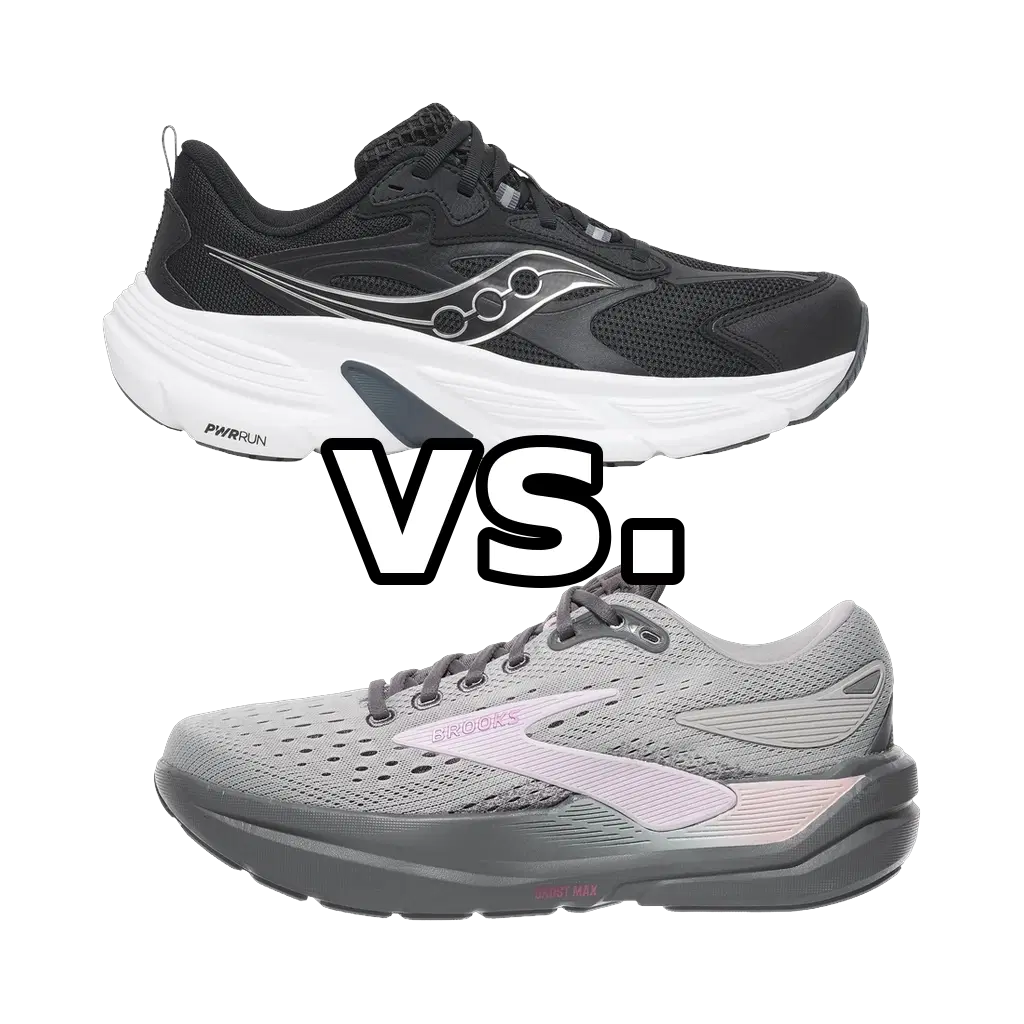
These are two takes on the same idea — a soft, stable, max-cushioned easy-day trainer — so there's no wrong answer, only a fit answer. Go Procyon Max if you want a lighter, higher-drop, grounded shoe that stays out of your way; go Ghost Max 3 if you want a lower drop, more forefoot cushion, and a rocker that actively smooths every stride, and you'll accept the extra weight for it. Let your drop preference and whether you want a guided rocker or a planted platform make the call.
Pace
2 of 6
Cushioning
5 of 6
Responsiveness
3 of 6
Stability
5 of 6
Drop
11 mm
Support
Stable Neutral
Plate
None
Distances
10KHalf
Pace
2 of 6
Cushioning
5 of 6
Responsiveness
3 of 6
Stability
5 of 6
Drop
7 mm
Support
Stable Neutral
Plate
None
Distances
10KHalf
At a Glance
Saucony Procyon MaxBrooks Ghost Max 3
Who Should Choose Each Shoe
Choose
Saucony Procyon Max
Pick the Saucony Procyon Max if you're a heel-striker who likes a higher-drop, more traditional ramp and wants the lighter of the two on easy days. Its flatter, firmly planted platform feels secure and grounded for recovery runs, base mileage, and long walks, making it a comfortable fit for beginners and higher-mileage runners who care more about a stable, forgiving landing than about being rolled through the stride. Choose it if you'd rather the shoe stay out of your way than actively shape your gait.
Choose
Brooks Ghost Max 3
Pick the Brooks Ghost Max 3 if you want the smoothest, most effortless easy-pace ride and don't mind carrying a bit more shoe to get it. Its lower 7mm drop suits midfoot strikers as well as heel-strikers, the extra forefoot cushioning and plush nitrogen-infused DNA LOFT v3 add protection on long relaxed outings, and the GlideRoll rocker makes all-day standing and slow long runs feel almost automatic. It's the better call for runners who prioritize a guided, pillowy transition and want a touch more range before the foam goes flat.
Head-to-Head
Start with what's genuinely the same: both sit on a 38mm heel, both skip a plate, both lean on a wide, walkable base, and both are tuned for comfort over spring — push past an easy conversational pace and each goes muted. The differences are in the details. The Procyon Max rides with a notably higher heel-to-toe offset (measured around 11mm, versus the Ghost Max 3's 7mm), which favors heel-strikers and easy cruising, while the Ghost's lower, milder drop suits heel and midfoot strikers alike. The Ghost also carries more forefoot foam — roughly 31mm up front against the Procyon's 27mm — so it protects the front of the foot a touch more on longer efforts. The ride character diverges too: the Ghost Max 3's DNA LOFT v3 is nitrogen-infused and paired with a pronounced GlideRoll rocker that actively rolls you heel-to-toe, so easy shuffling feels effortless and smooth; the Procyon's standard PWRRUN EVA sits on a flatter, more grounded platform that feels planted and secure but doesn't guide the stride the same way. Weight tips toward the Procyon: at about 281g in a men's US 9 it's meaningfully lighter than the roughly 303g Ghost Max 3, which matters on a shoe already tuned for slow miles. The Ghost edges it slightly on usable pace range — comfortable down to around 5:30 min/km before it flattens, versus about 6:00 min/km for the Procyon — thanks to that rocker keeping momentum going. Neither is snappy; both are honest about being comfort-first cruisers.
Similar Comparisons
Brooks Ghost Max 3 vs Brooks Ghost Max 4
Brooks Glycerin Max vs Brooks Ghost Max 3
Hoka Bondi 9 vs Brooks Ghost Max 3
Brooks Ghost Max 3 vs Brooks Glycerin Max 2
Brooks Ghost Max 3 vs Brooks Hyperion Max 3
Brooks Ghost 18 vs Brooks Ghost Max 3
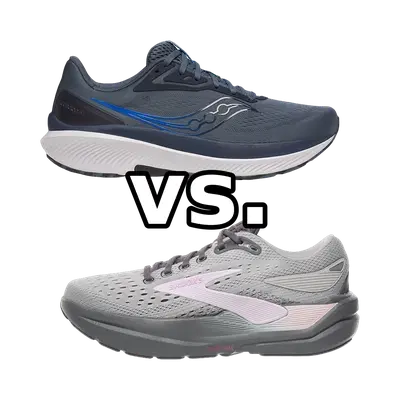
Saucony Echelon 10 vs Brooks Ghost Max 3
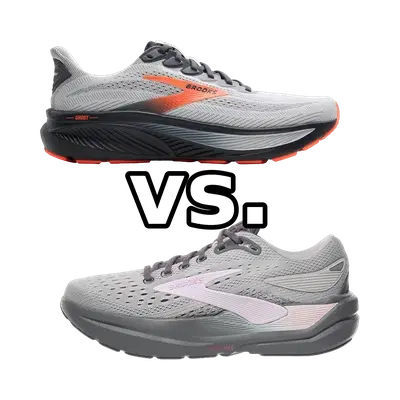
Brooks Ghost 17 vs Brooks Ghost Max 3
© 2026 longrunshoes.ai | All rights reserved.
Use of materials from this site is permitted only with proper attribution and a link to longrunshoes.ai.