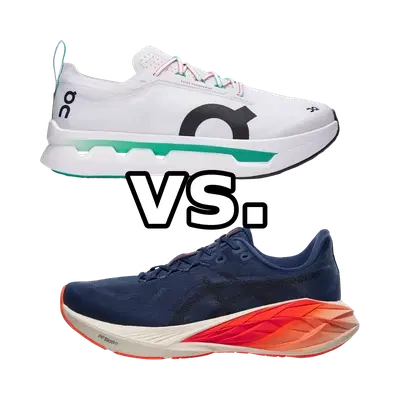
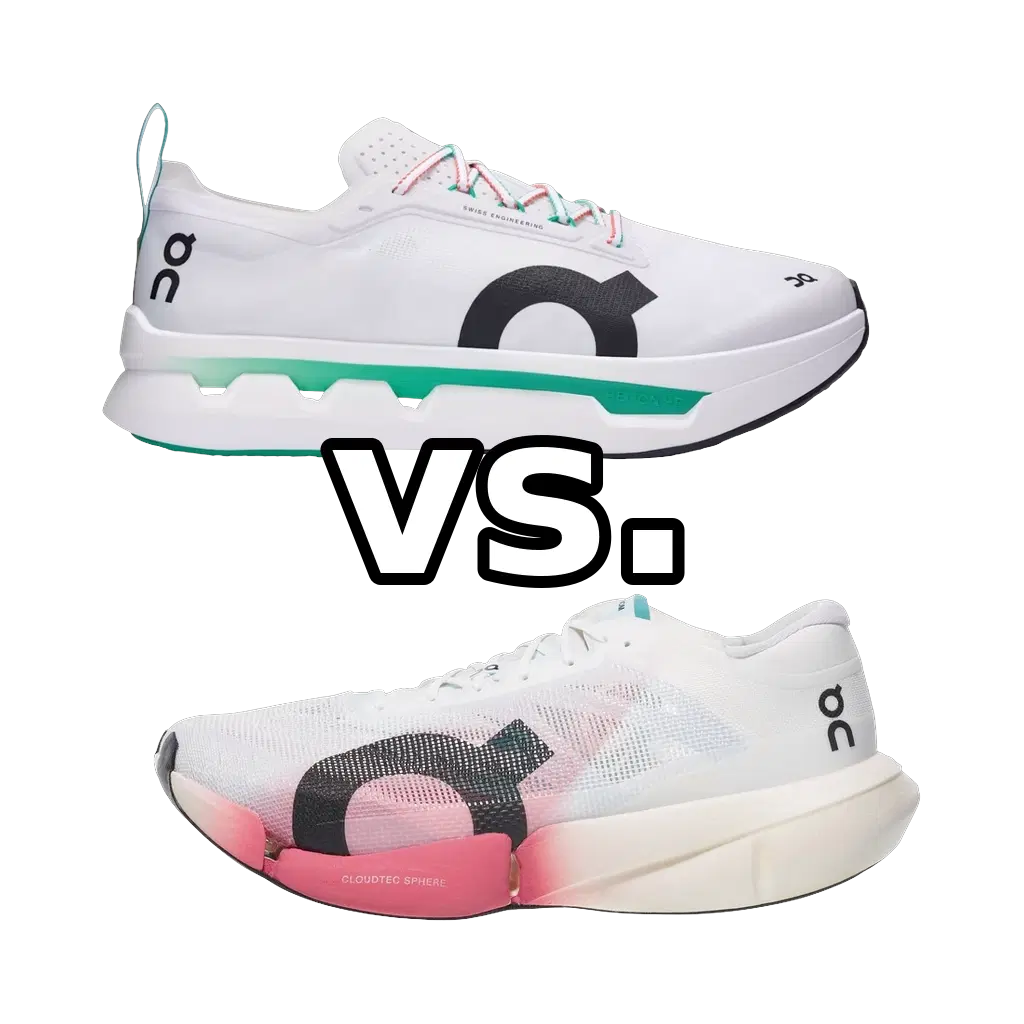
On Cloudboom Zone vs On Cloudboom Strike 2:
Which to Choose
Verdict
It comes down to how fast you race and how many jobs you need one shoe to do. If you want a single versatile shoe for uptempo training and steady-paced racing across 10K to the marathon, the Zone is the smarter buy; if you're an experienced runner hunting a half or full marathon PR at fast forefoot paces and want a true carbon super shoe, the Strike 2 is the specialist that delivers more foam, less weight, and a plated punch the Zone intentionally leaves out.
Pace
4 of 6
Cushioning
5 of 6
Responsiveness
5 of 6
Stability
3 of 6
Drop
6 mm
Support
Neutral
Plate
None
Distances
10KHalfMarathon
Pace
6 of 6
Cushioning
5 of 6
Responsiveness
6 of 6
Stability
2 of 6
Drop
5 mm
Support
Neutral
Plate
Carbon
Distances
HalfMarathon
At a Glance
On Cloudboom ZoneOn Cloudboom Strike 2
Who Should Choose Each Shoe
Choose
On Cloudboom Zone
Choose the Cloudboom Zone if you want one cushioned, lively shoe that can handle tempo days, long runs, and the occasional 10K-to-marathon race without being so specialized it sits in the closet between race days. It's the better pick for intermediate-to-experienced runners who race and train at controlled, sustained paces (think 4:15–5:30 min/km) and don't want the demanding, all-or-nothing feel of a carbon plate. Its slightly more planted platform also makes it the friendlier option if you find aggressive super shoes tippy.
Choose
On Cloudboom Strike 2
Choose the Cloudboom Strike 2 if you're an experienced, forefoot- or midfoot-striking runner chasing a half or full marathon PR at genuinely fast paces, where the carbon Speedboard and taller, lighter stack return the most energy. It rewards a strong, committed stride at roughly 3:00–3:30 min/km and faster, and gives you more cushioning for less weight than the Zone — but only if you can access that pace. Skip it as a daily trainer or recovery shoe; outside of hard efforts its narrow racing geometry feels unstable and underused.
Head-to-Head
The defining difference is the plate: the Strike 2 runs a full-length carbon Speedboard that, paired with its PEBA-based Helion HF foam, produces a stiff, propulsive, rolling toe-off, while the Zone deliberately goes plateless and lets a softer, livelier Helion HF midsole do all the work on its own. That shows up in the ride — the Zone feels springy but forgiving and comes alive in an uptempo-to-steady zone (its sweet spot is the half marathon around 4:15–4:45 min/km), whereas the Strike 2 only truly switches on at hard race effort, roughly 3:00–3:30 min/km and faster, and feels like more shoe than you need at easy pace. Counterintuitively, the Strike 2 is both taller and lighter: it stacks about 40mm heel / 35mm forefoot at roughly 200g in a men's US 9, versus the Zone's 35mm / 29mm at about 224g, so the race shoe gives you more foam under the foot for less weight. Drops are close — 6mm on the Zone, a claimed 5mm (and lower in practice) on the Strike 2 — so neither forces a big change in strike pattern, though the Strike 2's low, narrow racing platform clearly favors forefoot and midfoot runners. Stability is modest on both and worse on the Strike 2 (2/6 versus the Zone's 3/6); both can feel tippy at jogging speeds, but the Zone's shorter, slightly wider stack is the more planted of the two when you're not pressing. Both also share a durability caveat common to tall superfoam shoes — the Zone's soft stack can lose snap over high mileage, and the Strike 2's minimal open-weave upper and race stack are tuned for performance over longevity — so neither is the shoe you grind every daily mile into.
Similar Comparisons
On Cloudboom Strike vs On Cloudboom Strike 2
On Cloudboom Zone vs Asics Novablast 6
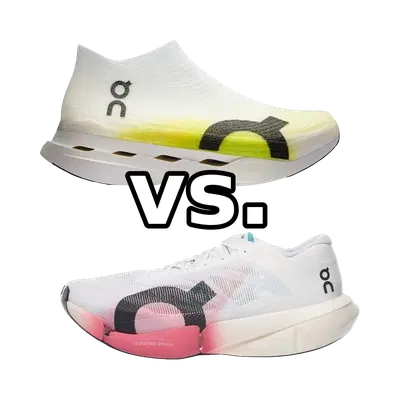
On Cloudboom Strike LS vs On Cloudboom Strike 2
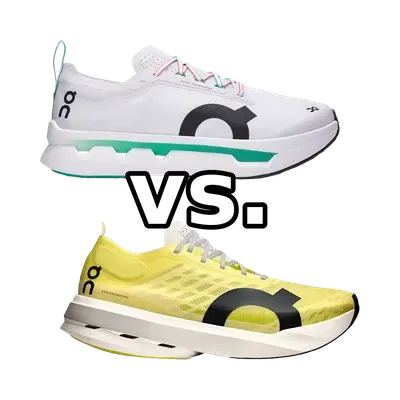
On Cloudboom Zone vs On Cloudboom Strike
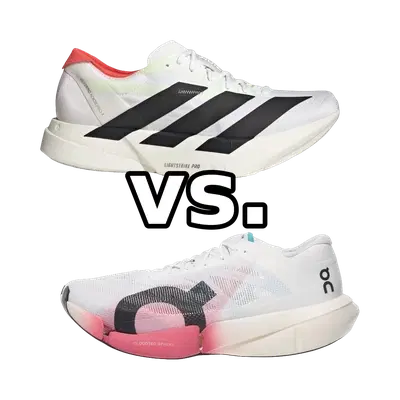
Adidas Adizero Adios Pro 4 vs On Cloudboom Strike 2
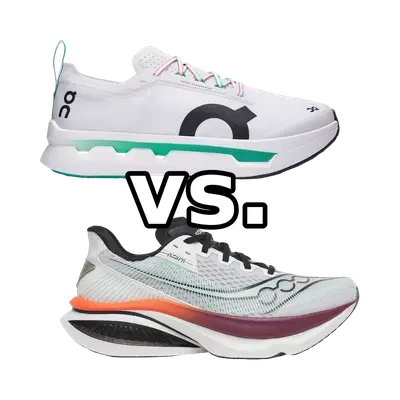
On Cloudboom Zone vs Saucony Endorphin Azura
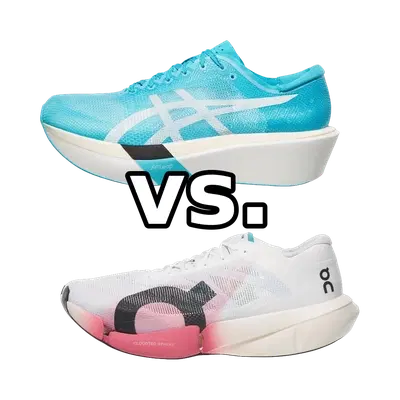
Asics Metaspeed Sky Tokyo vs On Cloudboom Strike 2
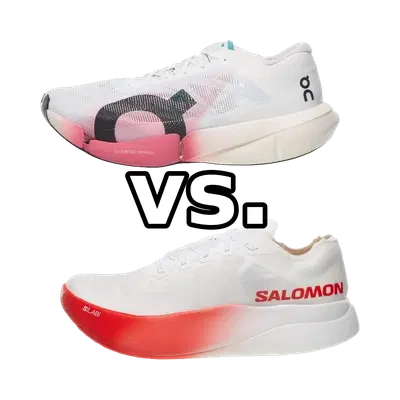
On Cloudboom Strike 2 vs Salomon S/Lab Phantasm 3 SC
© 2026 longrunshoes.ai | All rights reserved.
Use of materials from this site is permitted only with proper attribution and a link to longrunshoes.ai.