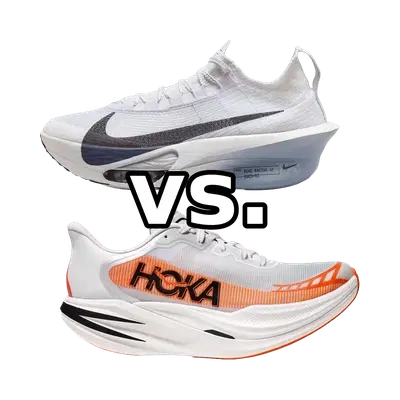
Hoka Cielo X1 2.0 vs Hoka Cielo X1 3.0:
Which to Choose
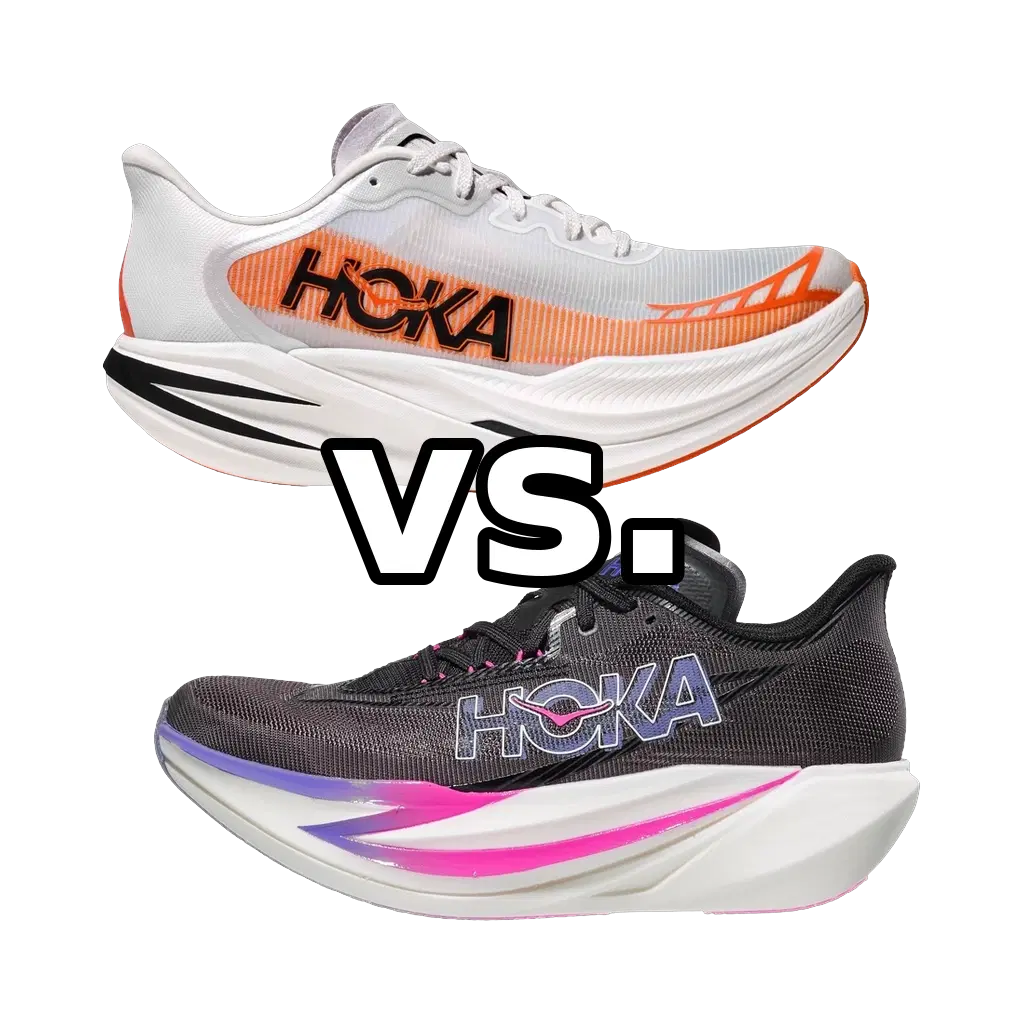
Verdict
It depends on how much shoe you want underfoot, not on which is "better." Go with the 2.0 if you want maximum cushioning, a touch more stability, and all the protection you can get for the marathon; go with the newer 3.0 if you'd rather have the lighter, lower, more aggressive racer and have the confident fast stride to make its narrower platform click. For most PR-focused runners choosing today, the 3.0's lighter, sharper package is the more natural pick — but reach for the 2.0 if deep, planted cushioning late in a marathon matters more to you than saving grams.
Pace
6 of 6
Cushioning
6 of 6
Responsiveness
6 of 6
Stability
3 of 6
Drop
7 mm
Support
Neutral
Plate
Carbon
Distances
HalfMarathon
Pace
6 of 6
Cushioning
5 of 6
Responsiveness
6 of 6
Stability
2 of 6
Drop
7 mm
Support
Neutral
Plate
Carbon
Distances
HalfMarathon
At a Glance
Hoka Cielo X1 2.0Hoka Cielo X1 3.0
Who Should Choose Each Shoe
Choose
Hoka Cielo X1 2.0
Choose the Cielo X1 2.0 if your priority is maximum cushioning and protection over the full marathon distance — especially if you're a heavier runner, a harder heel-striker, or someone who wants the most foam possible to blunt the pounding in the back half of a long race. Its taller 46/39mm stack and slightly wider, steadier base make it the more forgiving and planted of the two when the platform gets tall, so it suits runners who value late-race cushion and a bit more stability over outright nimbleness.
Choose
Hoka Cielo X1 3.0
Choose the Cielo X1 3.0 if you want the lighter, lower, sharper racer and run with a confident midfoot-to-forefoot stride at genuinely quick splits. At 193g on a 38/31mm stack it sits closer to the road and feels faster and more connected, which rewards efficient, well-drilled runners chasing a half or full marathon PR who prefer responsiveness and quick turnover over the absolute deepest cushion. It's the more specialized, demanding pick — if you can hold the pace it's built for, you'll get a crisper, more propulsive ride.
Head-to-Head
On the shared DNA there's little to separate them: both use a high-rebound full-length PEBA midsole over a propulsive carbon plate, both have a breathable textile upper, both carry a 7mm offset, and both score top marks for pace and responsiveness with the marathon as their sweet spot. The differences are in how much platform you get. The 2.0 is the bigger, softer shoe — a 46/39mm heel/forefoot stack and 208g, with maximal cushioning that rewards deep, sustained pounding and pays off late in a marathon when your legs are gone. The 3.0 strips that back: a lower 38/31mm stack and a lighter 193g, so cushioning drops a notch from maximal to merely high and the ride sits closer to the ground, feeling quicker and more connected underfoot. That lower, leaner build also shifts the stability balance — the 2.0's wider, taller base and winged plate make it the slightly steadier of the two, while the 3.0's tall-but-narrow last leaves it the more tippy, demanding shoe at slow paces. Both come alive only with speed and feel vague when you jog, but the 3.0 asks for a more confident, forward midfoot-to-forefoot rhythm to settle its narrower platform, whereas the 2.0's extra width and stack give a touch more margin. In short: the 2.0 is plush, protective, and marginally more planted; the 3.0 is lighter, lower, and more overtly a precision racing tool.
© 2026 longrunshoes.ai | All rights reserved.
Use of materials from this site is permitted only with proper attribution and a link to longrunshoes.ai.