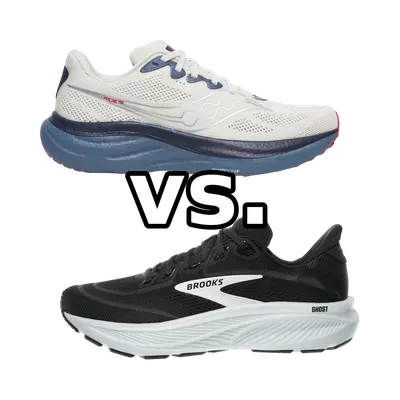
Brooks Ghost 18 vs Brooks Launch 12:
Which to Choose
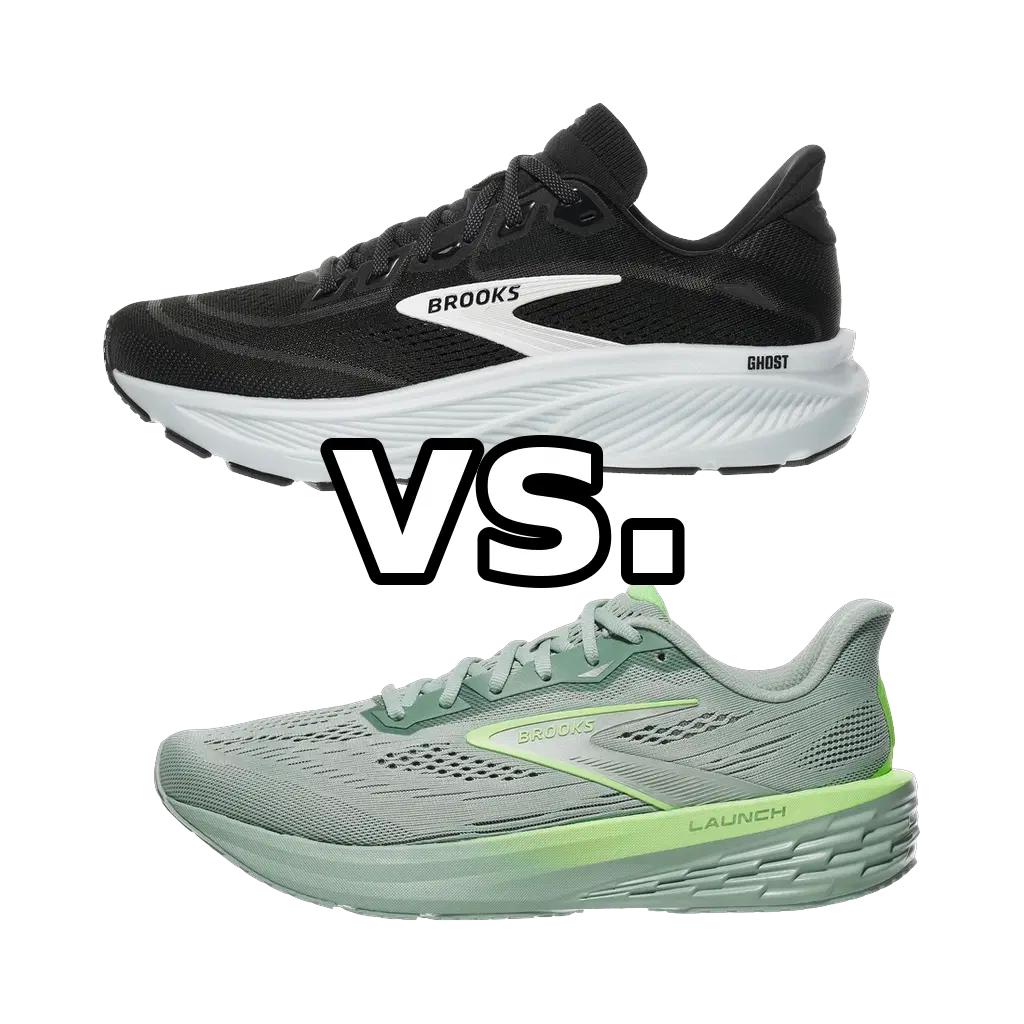
Verdict
It genuinely depends on how you run, not which shoe is "better." Go Ghost 18 for cushioned, higher-drop comfort on long and easy miles, especially as a heel striker chasing distance; go Launch 12 for a lighter, snappier, lower-drop ride that doubles as a tempo and short-race shoe. If your training is mostly slow and long, pick the Ghost; if you want one shoe that can also go fast, the Launch is the more flexible choice.
Pace
3 of 6
Cushioning
4 of 6
Responsiveness
3 of 6
Stability
4 of 6
Drop
12 mm
Support
Neutral
Plate
None
Distances
10KHalfMarathon
Pace
4 of 6
Cushioning
3 of 6
Responsiveness
4 of 6
Stability
3 of 6
Drop
8 mm
Support
Neutral
Plate
None
Distances
5K10KHalf
At a Glance
Brooks Ghost 18Brooks Launch 12
Who Should Choose Each Shoe
Choose
Brooks Ghost 18
Choose the Ghost 18 if your weekly diet is easy and long runs and you want maximum protected comfort, not pop — it's the better pick for heel strikers, higher-mileage marathon buildups, and newer or heavier runners who prize a predictable, planted, no-drama ride. Its taller heel, 12mm drop, and wider platform ease the calves and reward consistency over speed, so it's the one to reach for if "dependable cruiser" matters more than "fast."
Choose
Brooks Launch 12
Choose the Launch 12 if you want one lightweight, versatile trainer that can log daily miles and then snap into a tempo or a shorter race, and you like feeling connected to the road through a flexible, lower-drop ride. At 244g with a responsive DNA Flash forefoot, it suits recreational-to-intermediate runners racing 5K to the half who value turnover and crispness over plush, isolating cushioning on tired legs.
Head-to-Head
The clearest split is weight and cushioning. The Ghost 18 lands at 289g (men's US 9) on a 37mm heel / 25mm forefoot stack, while the Launch 12 is a notably lighter 244g on a 33mm heel / 25mm forefoot stack — interestingly, the two share the same forefoot height, so the difference is concentrated under the heel, which also drives the drop gap: a traditional 12mm in the Ghost versus a moderate 8mm in the Launch. That 45g and the taller, higher-drop heel make the Ghost the more protective, heel-strike-friendly ride, with DNA Loft v3 foam that feels cushioned but firm and controlled — smooth and planted rather than bouncy, and deliberately muted in rebound. The Launch counters with DNA Flash nitrogen foam (v1 heel, snappier v2 forefoot) that is lively and firm-leaning, with real snap through the forefoot when you push; its ride is ground-connected and flexible where the Ghost is calm and roll-forward stable. That carries into use case: the Ghost is happiest at 10K through the marathon with the half as its sweet spot and an optimal 5:30–6:30 min/km daily-and-steady zone, while the Launch covers 5K to the half, peaks around 10K tempo efforts, and lives in a quicker 4:30–5:30 min/km range. Neither has a plate, and both are neutral, but the Ghost offers the wider, more stable platform (4/6 vs 3/6), whereas the Launch trades some of that stability and cushioning for responsiveness and low weight. On durability, the Ghost's heavier, denser build and the Launch's RoadTack rubber outsole both target longevity, so expect either to hold up well as a high-mileage trainer.
Similar Comparisons

Brooks Launch 11 vs Brooks Launch 12
Brooks Ghost 17 vs Brooks Ghost 18
Salomon Aero Blaze 2 vs Brooks Launch 12

Nike Pegasus 42 vs Brooks Ghost 18
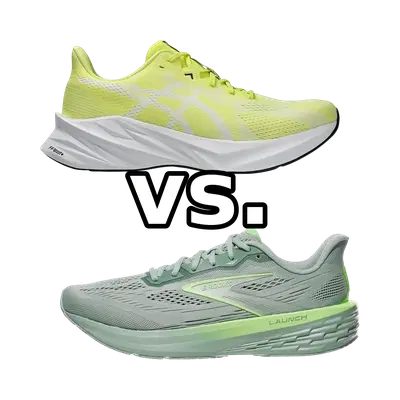
Asics Dynablast 5 vs Brooks Launch 12

Brooks Ghost 18 vs Brooks Ghost Max 4
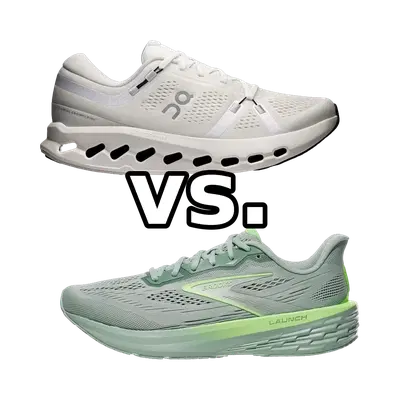
On Cloudsurfer 2 vs Brooks Launch 12

Brooks Ghost 18 vs Brooks Ghost AMP
© 2026 longrunshoes.ai | All rights reserved.
Use of materials from this site is permitted only with proper attribution and a link to longrunshoes.ai.